 Save to Pinterest
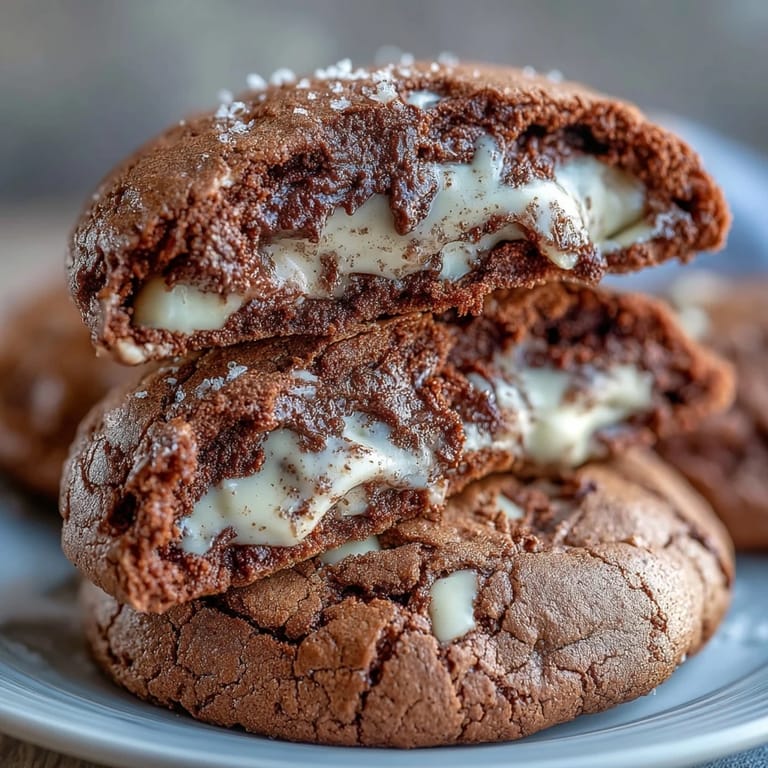
 I discovered hojicha powder buried in the back of a Japanese grocery store's tea section, and something about its toasty, almost caramel-like aroma made me want to bake with it instead of brew it. That same afternoon, I found myself combining it with cocoa and white chocolate, half-wondering if the flavors would clash or somehow find harmony. The first batch came out of the oven looking deceptively simple, but one bite proved that roasted tea and chocolate were meant to dance together. Now these cookies are what I reach for when I want something that feels both comforting and unexpectedly sophisticated.
I made a batch for my neighbor who was recovering from surgery, and she texted me three days later asking if I could bring more because she'd already devoured the first batch. That moment reminded me that baking isn't really about perfection or technique, it's about creating something small and warm that tells someone you were thinking of them. She kept the recipe card on her kitchen counter for months after.
Ingredients
- All-purpose flour (120 g): The foundation that keeps these cookies structured without being dense, letting the hojicha flavor shine through without competition.
- Unsweetened cocoa powder (20 g): Just enough to deepen the flavor and add complexity without overpowering the delicate hojicha notes.
- Hojicha powder (12 g): This roasted green tea powder is the heart of the recipe, bringing a toasty, almost woody warmth that makes people pause and wonder what they're tasting.
- Baking powder (1/2 tsp): A gentle lift that ensures the cookies stay soft and chewy rather than turning cakey.
- Fine sea salt (1/2 tsp): The unsung hero that wakes up all the other flavors and prevents sweetness from becoming cloying.
- Unsalted butter (115 g, melted and slightly cooled): Melting the butter first creates a denser, chewier texture and lets the flavors meld more seamlessly together.
- Light brown sugar (120 g): The molasses in brown sugar echoes the roasted tones of hojicha, creating a harmonious flavor story.
- Granulated sugar (50 g): The balance between brown and white sugar keeps the cookies chewy without being overly fudgy.
- Large egg (1, room temperature): Room temperature eggs incorporate more smoothly into the batter, creating that glossy, luxurious texture.
- Vanilla extract (1 tsp): A quiet backdrop that lets the hojicha and chocolate take center stage without demanding attention.
- White chocolate (100 g, chopped or chips): The creamy sweetness plays beautifully against the earthy hojicha, creating little bursts of contrast in every bite.
Tired of Takeout? 🥡
Get 10 meals you can make faster than delivery arrives. Seriously.
One email. No spam. Unsubscribe anytime.
Instructions
- Prepare your mise en place:
- Preheat your oven to 175°C and line two baking sheets with parchment paper, letting everything come to temperature while you gather your ingredients. Having everything ready before you start mixing means you can work without rushing or second-guessing yourself.
- Combine the dry ingredients:
- In a medium bowl, whisk together the flour, cocoa powder, hojicha powder, baking powder, and salt, making sure the hojicha is evenly distributed so no cookie ends up without that roasted tea flavor. The whisking motion aerates everything and prevents lumps from forming later.
- Build your wet base:
- Pour the slightly cooled melted butter into a large bowl, then add both sugars and mix until the texture resembles wet sand and the color lightens slightly. You'll notice the mixture becoming creamy rather than staying dark and oily, which means the sugar is dissolving properly.
- Bring in the wet ingredients:
- Beat in the room temperature egg and vanilla extract, stirring until the mixture becomes glossy and smooth, almost like a shiny custard. Take your time here because this step emulsifies everything and sets you up for tender cookies.
- Gently marry wet and dry:
- Pour the dry mixture into the wet ingredients and stir just until the flour disappears and no streaks remain, resisting the urge to overmix. Overmixing develops gluten, which turns cookies tough and chewy in the wrong way.
- Add the white chocolate:
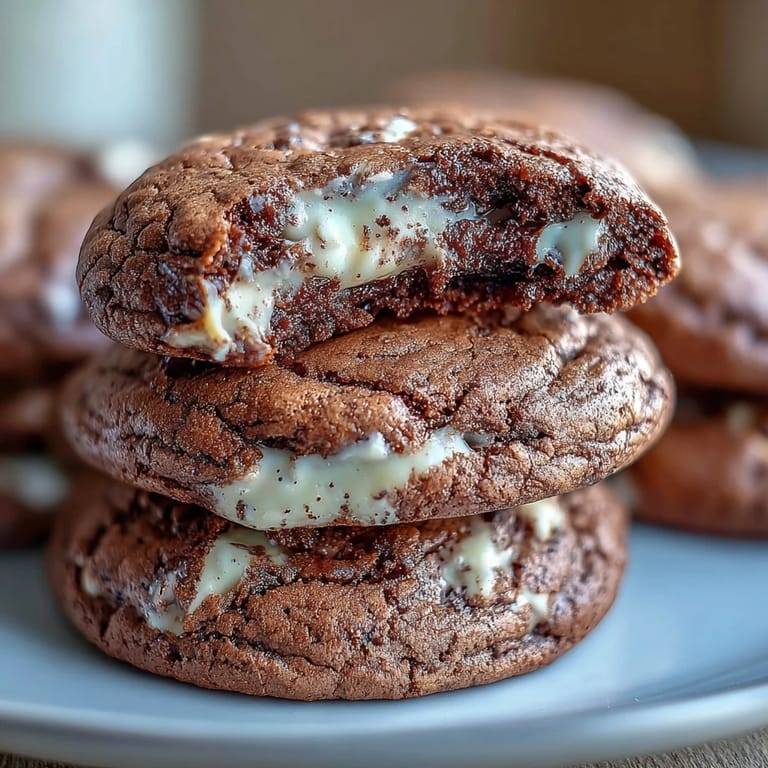
- Fold in the chopped white chocolate with a spatula or wooden spoon using gentle, deliberate strokes so the pieces distribute evenly throughout. You'll feel the dough become studded and slightly glossy as the chocolate pieces settle in.
- Portion the dough:
- Using a cookie scoop or a tablespoon, drop mounds of dough onto the prepared baking sheets, spacing them about 5 cm apart so they have room to spread without touching. The dough is forgiving at this point and won't flatten much further.
- Watch and bake:
- Bake for 10 to 12 minutes, watching for the moment when the edges are set and firm but the very centers still look slightly underbaked and soft. This is the sweet spot that gives you that coveted chewy texture throughout.
- Cool with patience:
- Leave the cookies on the pan for 5 minutes so they set slightly and won't fall apart when you move them, then transfer to a wire rack to cool completely. Those first 5 minutes on the pan are crucial to structural integrity.
 Save to Pinterest
 My sister brought her five-year-old over last month, and watching him bite into one of these cookies and instantly fall silent, then look up and ask for another, was worth every bit of effort. That's when I knew these cookies had transcended being just a recipe and become something that genuinely delights people.
The Magic of Roasted Tea in Baking
Most people think of hojicha as something to steep in hot water, but its powdered form is an untapped secret in the pastry world. The roasting process darkens the leaves and mellows any grassy notes, leaving behind this incredible toasted, almost coffee-like warmth that plays beautifully with chocolate and butter. I've started experimenting with it in other desserts, but these cookies remain the perfect canvas for understanding what hojicha can do.
Why White Chocolate Works Here
I initially hesitated about using white chocolate because it can feel sickeningly sweet in the wrong context, but here it's the bridge between the earthy hojicha and the deep cocoa. The creaminess softens the slightly bitter notes and creates complexity that keeps your palate interested. White chocolate has gotten a bad reputation over the years, but it's genuinely spectacular when used with intention.
Storage, Make-Ahead, and Flavor Development
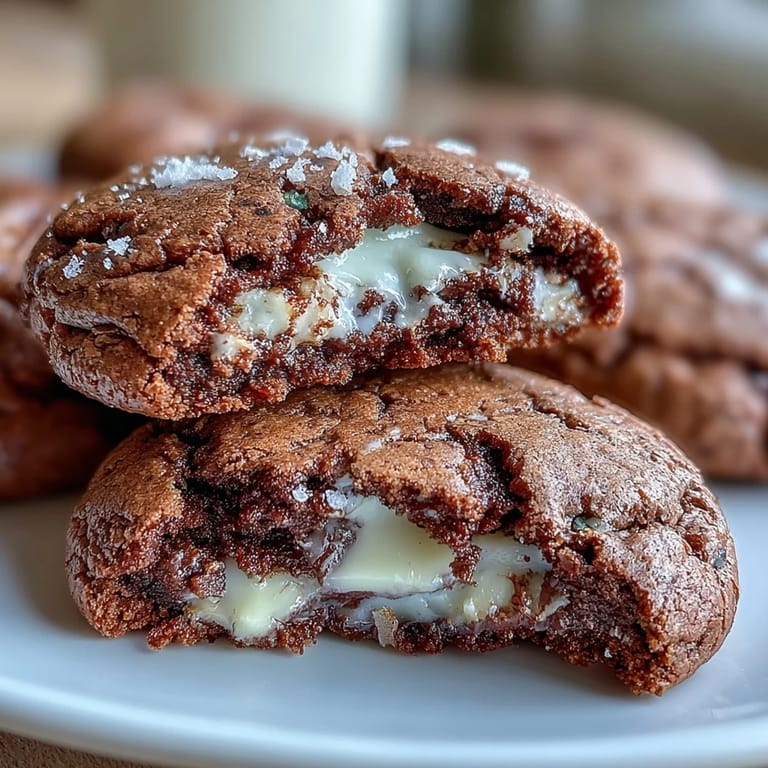
These cookies actually taste better the next day as the flavors continue to marry and deepen, so baking them a day ahead isn't laziness, it's strategy. I've found that storing them in an airtight container at room temperature keeps them at their soft, chewy best for about four days, though they rarely last that long in my house. For longer storage, freeze them in an airtight container for up to two months, and they thaw beautifully in about an hour.
- The flavors develop even more beautifully if you store them overnight before serving, so make them a day early if you're baking for someone special.
- If the dough seems too soft to scoop, chilling it for 30 minutes will make handling easier without changing the final texture.
- Toast your hojicha powder lightly in a dry pan before mixing if it's been sitting around for a while, as this reawakens its roasted character.
 Save to Pinterest
 These cookies remind me that sometimes the best discoveries come from wandering into unfamiliar aisles and trusting your instincts about flavor combinations that haven't been done a thousand times before. I hope they bring you the same quiet joy they've brought to my kitchen.
Recipe FAQs
- → What does hojicha taste like in cookies?
Hojicha imparts a nutty, roasted flavor that's less grassy than regular green tea. The toasty notes pair beautifully with chocolate, creating a sophisticated warmth in each bite.
- → Can I use matcha instead of hojicha powder?
You can substitute matcha, though the flavor profile will shift from nutty and roasted to fresh and grassy. The color will also be vibrant green rather than the deep brown of the original.
- → Why should I slightly underbake these cookies?
Removing them when centers look slightly underbaked ensures that soft, fudgy texture. The residual heat continues cooking them on the baking sheet, setting the structure while preserving chewiness.
- → How should I store these to keep them soft?
Store in an airtight container at room temperature for up to 5 days. Place a slice of bread inside to maintain moisture. For longer keeping, freeze individually wrapped for up to 2 months.
- → What chocolate works best with hojicha?
White chocolate creates the perfect contrast—its creamy sweetness balances the roasted tea notes. Dark or milk chocolate also work well, though they'll create a richer, more intense flavor profile.
- → Can I make the dough ahead of time?
Absolutely. Scoop the dough onto a baking sheet, freeze until firm, then transfer to a freezer bag. Bake from frozen, adding 1-2 extra minutes. This lets you enjoy fresh-baked treats anytime.