 Save to Pinterest
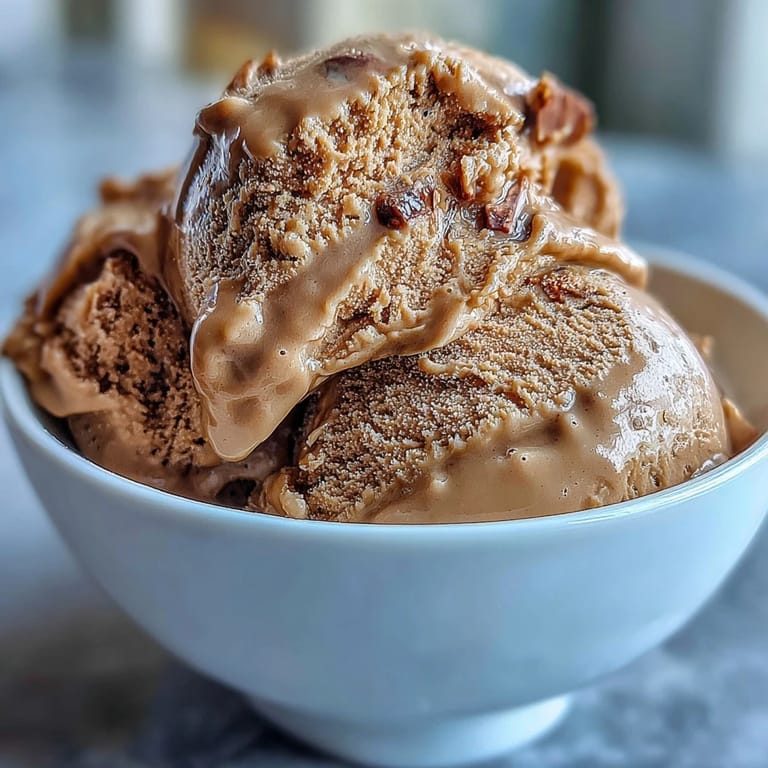
 There's something about hojicha that stops me mid-afternoon. One October, a friend brought a tin of roasted green tea from Kyoto, and I started steeping cups obsessively, drawn to that nutty warmth that tastes like caramel but smells like a forest floor. That same week, I had heavy cream and a working ice cream maker, and the obvious thought arrived: why not turn this into something frozen? The first batch was hesitant, unsure if hojicha could survive the churn without losing itself, but it didn't. Instead, it deepened, became almost creamy in character, and suddenly I was eating spoons of it straight from the container at midnight.
I made this for a dinner party on a humid summer night when nobody wanted anything heavy. People kept coming back to the bowl, asking what it was, and when I said hojicha, they'd nod like it made perfect sense. One guest mentioned it reminded her of toasted hazelnuts. Another said it tasted like calm. That's when I knew it wasn't just ice cream—it was the kind of thing that gives people permission to slow down.
Ingredients
- Heavy cream (2 cups): This is your richness and body; don't use light cream or the texture will feel thin and icy instead of luxurious.
- Whole milk (1 cup): Balances the cream so the ice cream isn't overwhelmingly dense, and lets the hojicha flavor shine without getting lost in fat.
- Hojicha loose leaf tea (3 tablespoons): Loose leaf is better than bags because you get more surface area for steeping, which means deeper flavor in less time.
- Egg yolks (4 large): These create the custard base that makes the ice cream creamy and smooth; don't skip this step or substitute with cornstarch.
- Granulated sugar (2/3 cup): Sweetens the custard while also helping the ice cream maintain a scoopable texture when frozen.
- Fine sea salt (pinch): A tiny amount brightens the hojicha flavor and keeps the sweetness from feeling one-dimensional.
Tired of Takeout? 🥡
Get 10 meals you can make faster than delivery arrives. Seriously.
One email. No spam. Unsubscribe anytime.
Instructions
- Heat the cream and milk:
- Pour both into a saucepan and watch it carefully over medium heat. You want steam rising and tiny bubbles forming around the edges, but not a rolling boil—the point is to infuse, not scald. This usually takes about 5 minutes.
- Steep the hojicha:
- Add the loose leaf tea to the hot cream mixture, lower the heat, cover the pan, and walk away for exactly 10 minutes. The aroma will fill your kitchen like you've brought a Japanese tea room into your home.
- Strain and return:
- Pour the mixture through a fine sieve into a bowl, then press the tea leaves gently with the back of a spoon to coax out every bit of flavor. Pour the infused liquid back into the cleaned saucepan.
- Prepare the egg yolks:
- In another bowl, whisk the egg yolks, sugar, and salt together until the mixture becomes pale and slightly thickened, about 2 minutes. This is called ribboning, and it matters because it distributes the sugar evenly.
- Temper the eggs:
- This step prevents scrambled eggs in your ice cream. Slowly pour about 1 cup of the warm hojicha mixture into the yolk bowl while whisking constantly—never stop whisking or you'll cook the eggs.
- Combine everything:
- Pour the yolk mixture back into the saucepan with the remaining hojicha cream and stir gently with a wooden spoon over low heat. Keep stirring.
- Cook to custard:
- The mixture will gradually thicken as the eggs cook. When it coats the back of the spoon so you can draw a line through it with your finger, it's done—this usually happens around 170–175°F. Don't rush this or cook too fast, or the eggs will scramble.
- Chill the custard:
- Strain the custard into a clean bowl to catch any bits of cooked egg. Cover and refrigerate for at least 4 hours, or overnight. This is the hardest part—waiting—but a cold custard freezes faster and smoother.
- Churn:
- Pour the cold custard into your ice cream maker and follow its instructions, usually churning for about 20–25 minutes until it reaches a soft-serve consistency.
- Freeze:
- Transfer to an airtight container and freeze for at least 2 hours before serving. This final freeze firms it up to the right scoopable texture.
 Save to Pinterest
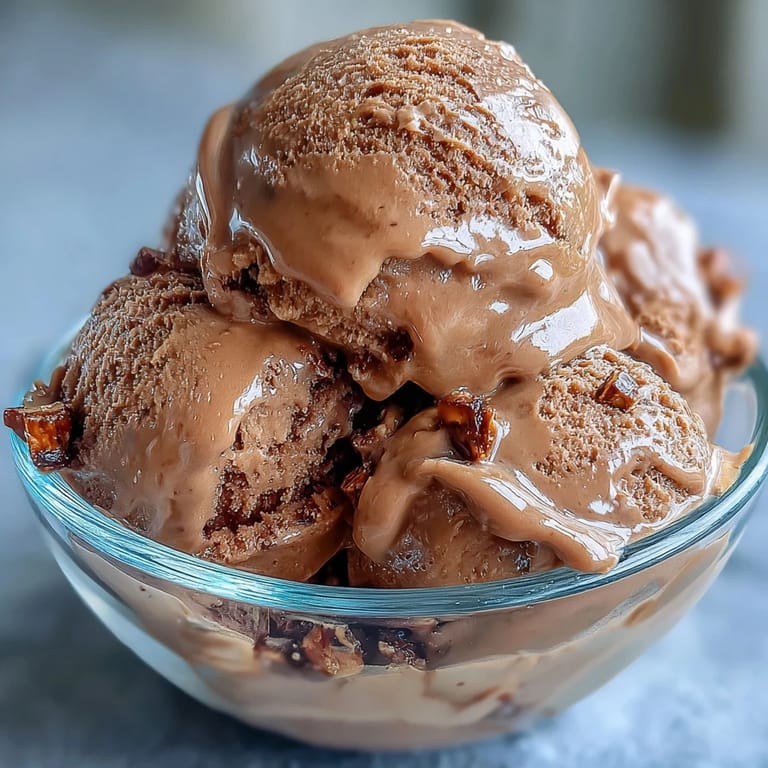
 A friend who usually reaches for vanilla or chocolate came back for thirds and said this was the first time she'd tasted an ice cream flavor that made her think. That's when dessert becomes memory.
Why Hojicha Works So Well for Ice Cream
Most teas are delicate—they fade when you apply heat or mix them into dairy. Hojicha is different because it's already been roasted, which means the flavor is bold and stable. When you infuse it into warm cream, it doesn't disappear; instead, it becomes even richer, almost like caramel without the burned notes. The nuttiness pairs naturally with the richness of egg custard, creating something that feels complete rather than competing.
Serving and Pairing Ideas
Straight from the freezer, this ice cream is excellent on its own, but it becomes something special when you pair it thoughtfully. I've served it after richer meals because it feels light despite being creamy. It also complements fresh fruit beautifully—mango, fresh berries, or even a simple peach feel elevated next to it. The hojicha flavor is sophisticated enough to stand alone but humble enough to play well with others.
Storage and Make-Ahead Tips
Once frozen, this ice cream keeps well for up to two weeks in an airtight container, though I rarely have leftovers long enough to test that. The custard base can be made a full day ahead, which means on the day you want to serve it, you only need to churn. If you don't have an ice cream maker, you can freeze the churned mixture in a shallow pan and stir it every 30 minutes for about 3 hours, though the texture won't be quite as smooth.
- Transfer the finished ice cream to a freezer-safe container and press plastic wrap directly against the surface to prevent ice crystals.
- If it hardens too much in the freezer, let it sit at room temperature for 5 minutes before scooping for a better texture.
- Leftover hojicha tea can be enjoyed hot or cold, so steep extra if you're serving this for a meal.
 Save to Pinterest
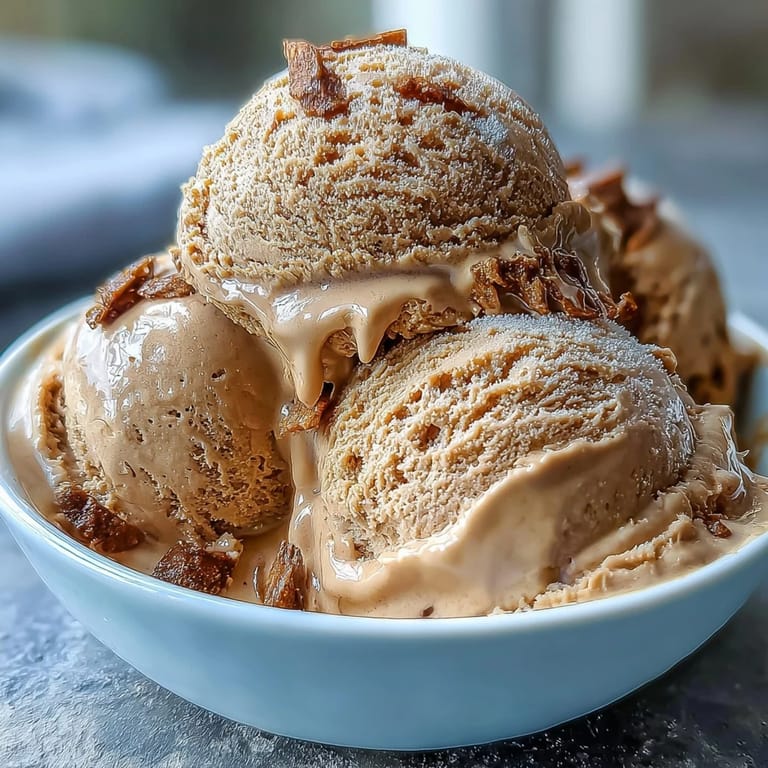
 This ice cream taught me that a dessert doesn't need to be complicated to be memorable—it just needs to taste like intention. Make it.
Recipe FAQs
- → What does hojicha taste like?
Hojicha delivers earthy, nutty notes with gentle caramel undertones from roasting, offering a milder, less astringent profile than standard green tea.
- → Can I make this without an ice cream maker?
Yes—freeze the custard in a shallow container, whisking every 30 minutes for the first 3 hours to incorporate air and prevent ice crystals.
- → How long does homemade ice cream keep?
Store in an airtight container for up to 2 weeks. For optimal texture, let soften 5–10 minutes before scooping.
- → What toppings pair well?
Toasted sesame seeds, sweetened condensed milk drizzle, fresh figs, or mochi pieces complement the roasted tea notes beautifully.
- → Is hojicha caffeinated?
Yes, though roasting reduces caffeine content compared to other green teas. One serving contains roughly 20–30 mg.