 Save to Pinterest
 I discovered hojicha lava cakes by accident while browsing a Tokyo café menu during a rainy afternoon, mesmerized by the description of molten tea ganache. When the plate arrived and I cut into it, that luxurious flow of hojicha-infused white chocolate felt like a small revelation. Years later, I decided to recreate that moment in my own kitchen, and what started as curiosity became an obsession with perfecting the balance of earthy roasted tea against creamy sweetness. Now whenever I make these, the whole process feels like a quiet meditation.
I'll never forget serving these to my partner on a Tuesday night without warning, just because the weather felt right for something special. Watching their face when that warm ganache spilled across the plate—that quiet moment of pure happiness—reminded me why I cook. It's not just about the dessert; it's about creating something small and delicious that makes ordinary evenings feel significant.
Ingredients
- White chocolate (100 g for cake, 60 g for ganache): Use quality white chocolate with cocoa butter rather than cheap compound chocolate, which tastes waxy and won't flow as beautifully when melted.
- Hojicha powder (1 tsp): This roasted green tea is the soul of the dessert—seek it out in Asian markets or online, as it brings a toasted, almost nutty depth that regular matcha simply cannot replicate.
- Heavy cream (30 ml): The secret to a silky ganache is using cream at just the right temperature; too hot and it breaks, too cold and it won't incorporate properly with the chocolate.
- Eggs (2 whole, 1 yolk): The extra yolk creates a richer crumb and helps ensure that tender, almost custard-like texture when the cake is warm.
- Unsalted butter (80 g for cake, 10 g for ganache): Room temperature butter incorporates air and creates a lighter structure, while the ganache butter adds luxurious mouthfeel.
- All-purpose flour (40 g): Don't skip sifting—it removes lumps and aerates the flour so your batter stays tender and doesn't develop a tough crumb.
- Granulated sugar (60 g): Whisk this vigorously with the eggs until genuinely pale and thick, which takes longer than you think but creates the lift you need.
- Salt and cocoa powder for dusting: A pinch of salt brightens the white chocolate sweetness, while cocoa powder dusting adds a visual contrast and a hint of bitterness that balances everything.
Tired of Takeout? 🥡
Get 10 meals you can make faster than delivery arrives. Seriously.
One email. No spam. Unsubscribe anytime.
Instructions
- Build the hojicha foundation:
- Combine your chopped white chocolate with hojicha powder in a small bowl—this mixture looks humble, but the powder will bloom beautifully once the hot cream hits it. Heat your cream until you see tiny bubbles at the edges, pour it over, wait a full minute for the chocolate to soften, then stir until you have a glossy, earthy ganache.
- Cool and shape the center:
- Let that ganache chill for about 30 minutes until it's firm enough to scoop without spreading everywhere. Roll four small balls by hand and keep them in the fridge—they need to stay cold so they don't melt into the batter during baking.
- Prepare your vessels:
- Butter your ramekins generously and dust with cocoa powder or flour, tapping out the excess so the cake releases cleanly. This step matters more than it sounds—inadequate greasing will trap your beautiful cake and ruin the unmolding moment.
- Melt and marry the chocolate:
- Create a makeshift double boiler with a heatproof bowl over barely simmering water, combining white chocolate and butter until completely smooth and glossy. Don't let the water touch the bowl bottom, and stir constantly to avoid seizing.
- Whisk eggs into clouds:
- In a separate bowl, whisk your eggs and yolk with sugar until the mixture is pale, thick, and ribbons form when you lift the whisk—this takes about 3 minutes of honest whisking and signals that air has been incorporated.
- Fold with intention:
- Gently fold the cooled chocolate into the egg mixture in two additions, using a spatula and taking your time so you don't deflate all that air. Sift the flour and salt directly into the batter and fold again until just combined—this entire folding process should feel soft and respectful, not aggressive.
- Build the lava layers:
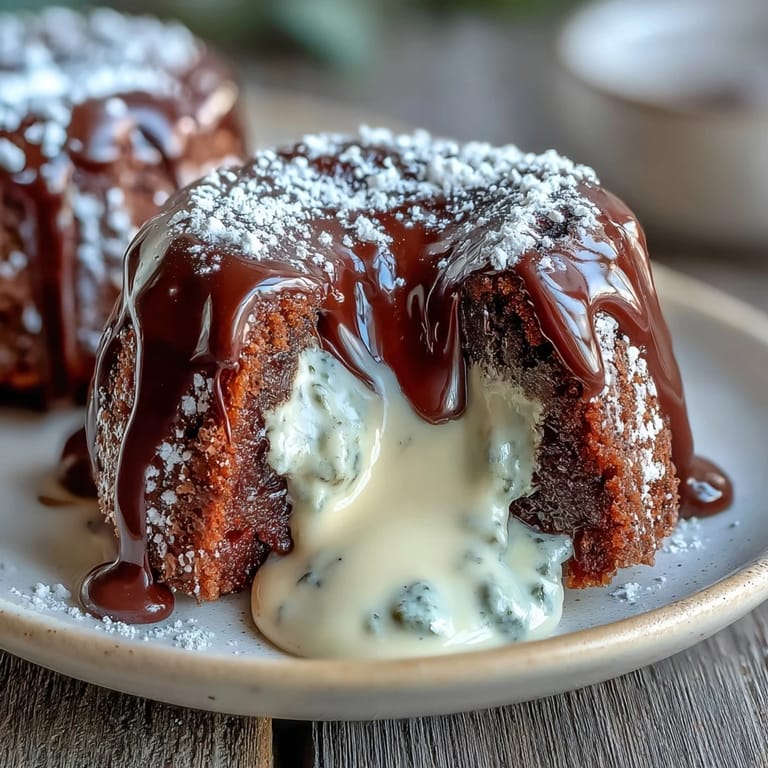
- Spoon a tablespoon of batter into each ramekin, nestle a cold ganache ball in the center, then cover with remaining batter and smooth the tops. The key is that the ganache ball stays centered and cushioned by batter on all sides, so it flows luxuriously when cut.
- Bake with precision:
- At 200°C, these cakes need 11 to 13 minutes—edges should look set and feel firm when you gently touch them, but the very center should jiggle slightly when you give the ramekin a subtle shake. Underbake rather than overbake; an extra 30 seconds of heat turns lava into a dry center.
- Release and serve:
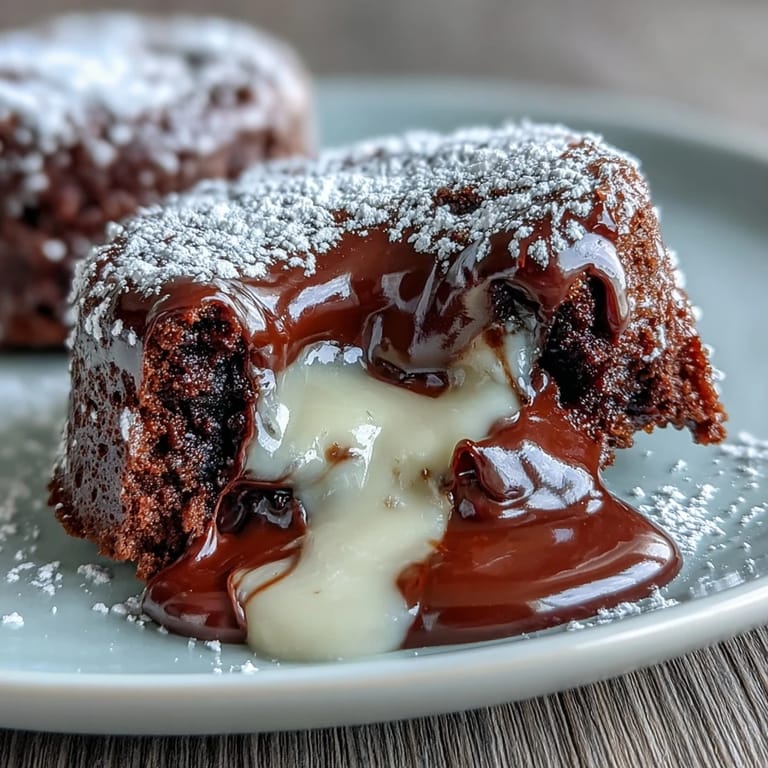
- Let the cakes rest for 1 to 2 minutes, then run a thin knife around the edges and invert onto warmed plates with confidence. The best moment is serving them immediately while still warm, so that ganache flows in slow motion across the plate.
 Save to Pinterest
 There's something almost ceremonial about the moment when you run that knife around the edge and the cake releases from the ramekin, knowing that inside is a warm secret waiting to spill across the plate. That sensation of anticipation never fades, no matter how many times I make these.
The Hojicha Difference
Hojicha is Japanese green tea that's been roasted at high temperatures, transforming it from grassy and bright into something darker, more complex, with toasted and almost earthy notes. Unlike matcha, which can be vegetal, hojicha brings warmth and a subtle nuttiness that whispers rather than shouts. In this cake, it doesn't overpower the white chocolate; instead, it elevates it by adding depth and sophistication. The first time I understood this pairing was tasting it in that Tokyo café, and I realized that sometimes the most elegant flavors work by contrast—the earthiness making the sweetness taste richer and more intentional.
Timing and Temperature Matter
This recipe lives in a narrow window where precision actually changes everything. The ganache needs to be cold enough to hold its shape but not so rock-solid that it sits heavy in the batter. The eggs need to be at room temperature so they whisk into proper volume, and the batter needs to go into a properly preheated oven so the edges set while the center stays tender. I learned this through trial and error on several failed attempts where I tried shortcuts and paid the price with dry cakes. Now I set a timer for preheat, I let my eggs sit out while I prep other ingredients, and I never skip the thermometer check on the oven.
Variations and Serving Strategies
Once you master the base, you can play with the flavor profile in ways that feel natural and exciting. Swapping hojicha for matcha creates a brighter, more vegetal center, or you could experiment with other tea powders like genmaicha for a grainier texture. The beauty of this cake is that it's elegant enough to stand alone but humble enough to welcome additions. I've served it with vanilla ice cream melting into the warm ganache, with unsweetened whipped cream to cut the richness, and even with fresh berries alongside to add brightness and acidity.
- If you're making these ahead, assemble them completely and refrigerate for up to 8 hours, then add an extra 1 to 2 minutes to the baking time so the cold batter catches up.
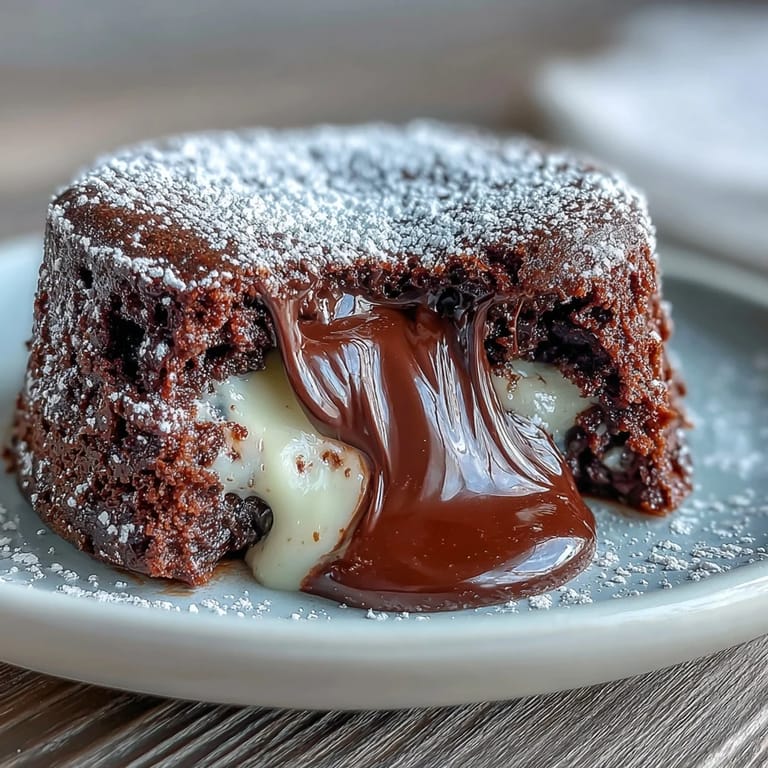
- Dust with powdered sugar just before serving if you want that traditional elegant look, though I often skip it because the cake is already beautiful enough.
- Make sure your ramekins are oven-safe and that you remove them slowly from the oven—they stay hot for several minutes after baking and will burn your hands without warning.
 Save to Pinterest
 These little cakes remind me that the most satisfying desserts are often the ones with something hidden inside—a surprise that unfolds when you least expect it. Make them when you want to turn a regular evening into something memorable.
Recipe FAQs
- → What is hojicha?
Hojicha is a Japanese green tea that's been roasted over charcoal, giving it a deep, earthy flavor with lower caffeine content than other green teas. Its toasty notes pair exceptionally well with white chocolate's creamy sweetness.
- → Can I make these ahead of time?
Yes, you can assemble the cakes in their ramekins and refrigerate them for several hours before baking. If baking from chilled, add 1–2 minutes to the baking time to ensure the centers remain molten.
- → How do I know when the cakes are done?
The edges should be set and slightly firm, while the centers will still jiggle when gently shaken. This jiggly center ensures the molten lava effect when you cut into the warm cakes.
- → Can I substitute the hojicha powder?
Matcha powder works beautifully as a substitute, though it will impart a more vibrant green color and slightly different flavor profile. The amount remains the same, but expect a fresher, grassier note rather than hojicha's toasty depth.
- → What should I serve with these cakes?
Unsweetened whipped cream or fresh berries help balance the richness. A scoop of vanilla ice cream creates a lovely temperature contrast, while a dusting of powdered sugar adds an elegant finish.