 Save to Pinterest
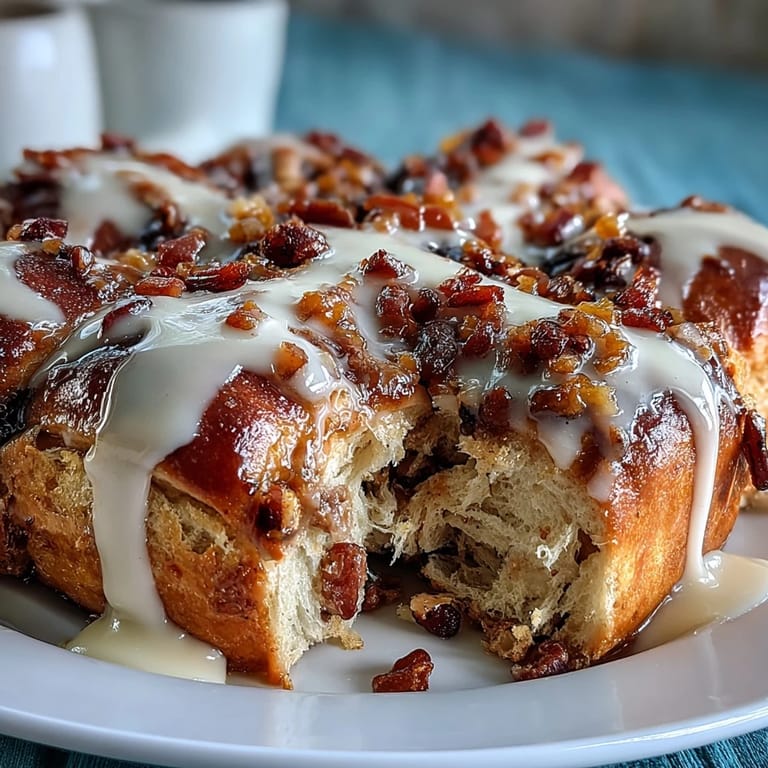
 My neighbor once knocked on my door at dawn on Easter Sunday, saying she could smell something incredible wafting over the fence. I hadn't even realized the oven was on yet—just the dough proofing on the counter, filling my kitchen with that warm, spiced perfume of cinnamon and orange. That's when I knew hot cross buns weren't just a recipe; they were a smell that travels, a moment that announces itself before you even taste it. These buns are soft enough to fall apart in your hands, studded with jewel-like dried fruit and crowned with a bright citrus glaze that makes spring taste like hope.
I baked these for my in-laws the first time, and my mother-in-law actually closed her eyes while eating one, which made my entire year. She asked for the recipe three times before I finally wrote it down. That moment taught me that food doesn't need to be complicated to matter—it just needs to be made with the kind of attention that says: you're worth the time it takes to knead and glaze and pipe a perfect cross.
Ingredients
- Bread flour: Use bread flour, not all-purpose, because the higher protein content creates that signature tender crumb that breaks apart without being crumbly.
- Instant yeast: Fresh or active dry works too, but instant yeast doesn't require blooming and moves things faster on a busy morning.
- Cinnamon, allspice, nutmeg: Don't skip the allspice and nutmeg—they're what makes these taste like tradition instead of just regular sweet buns.
- Mixed dried fruit: I use currants because they're small and distribute evenly, but candied orange peel is the secret ingredient that whispers citrus throughout every bite.
- Orange and lemon zests: Fresh zest makes all the difference; bottled zest tastes flat and one-dimensional by comparison.
- Milk and water: The combination of both creates a dough that's softer than using milk alone, and somehow more forgiving.
- Eggs: Let them come to room temperature or they'll shock the dough and make everything harder to work with.
- Powdered sugar: Sift it before mixing into the glaze to prevent lumps that won't dissolve into that silky, brushable consistency.
Tired of Takeout? 🥡
Get 10 meals you can make faster than delivery arrives. Seriously.
One email. No spam. Unsubscribe anytime.
Instructions
- Mix the dry foundation:
- Combine your bread flour, sugar, yeast, and all those warming spices in a large bowl—cinnamon, allspice, nutmeg, and salt. This is where the personality of the bun gets established, so don't be shy with the spices.
- Combine wet ingredients:
- In another bowl, whisk together lukewarm milk, water, melted butter, and eggs until everything looks pale and combined. Lukewarm is key; too hot kills the yeast, too cold wakes it up slowly and you'll be waiting forever.
- Bring it together:
- Pour the wet into the dry and mix until a shaggy dough forms—it'll look almost impossible at first, like you've made a mistake. You haven't; this is exactly right.
- Knead in the fruit:
- Add dried fruit, orange zest, and lemon zest, then knead for 8 to 10 minutes until the dough is smooth and elastic and the fruit is distributed throughout. If you're using a stand mixer, this takes about 6 minutes on medium speed.
- First rise:
- Place the dough in a greased bowl, cover loosely with plastic wrap or a damp towel, and let it rise in a warm, undisturbed spot for about an hour until it's doubled. A turned-off oven with the light on works perfectly, or a sunny windowsill on a spring morning.
- Shape into buns:
- Turn the dough onto a lightly floured surface and divide it into 12 roughly equal pieces using a bench scraper or your hands. Shape each piece into a smooth ball by gently pulling the edges down and under, then place them on a parchment-lined baking tray with a little space between each one.
- Second rise:
- Cover loosely and let them rise for 30 minutes while you preheat the oven to 375°F (190°C). They should look puffy and soft but not quite doubled.
- Pipe the crosses:
- Mix the cross paste by combining all-purpose flour with just enough water to make a thick, pipeable consistency. Transfer to a piping bag and pipe a thin cross over each bun; it's okay if they're not perfect—home bakers' crosses have character.
- Bake until golden:
- Bake for 20 to 25 minutes until the buns are deep golden brown and sound hollow when you tap the bottom. The kitchen will smell like a bakery—prepare yourself for that moment.
- Make and brush the glaze:
- While they bake, whisk powdered sugar (sifted first) with fresh orange juice and lemon juice until smooth and brushable. Immediately brush the buns as they come out of the oven so the glaze soaks in slightly and sets to a light shine.
- Cool and serve:
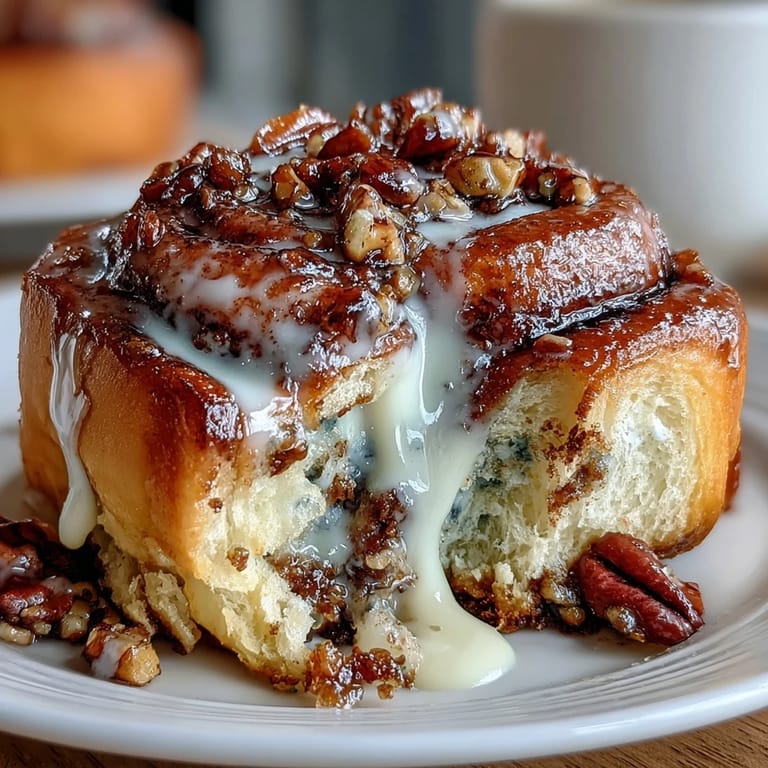
- Transfer to a wire rack and let them cool just until you can touch them without burning your fingers. They're best served slightly warm, when the butter is still soft and the crumb still gives.
 Save to Pinterest
 There was a Saturday in early April when my daughter helped me shape these for the first time, and she was so focused on making her balls perfectly round that she barely spoke for twenty minutes. She just kneaded and shaped and placed, and afterward, we sat in silence eating warm buns with butter, watching the spring rain. That's when this recipe stopped being about tradition and started being about the moments in between the measuring and the waiting.
The Secret of the Spice Blend
Most people expect hot cross buns to taste primarily of cinnamon, but the magic is in the supporting spices whispering underneath. Allspice brings a subtle warmth that feels almost woody, while nutmeg adds a slight earthiness that keeps everything grounded. I learned this by accident when I once ran out of allspice and made them with just cinnamon and nutmeg—they were good, but they tasted like one-note sweetness instead of mystery. The combination of three spices creates complexity that keeps you reaching for another bite.
Why Candied Orange Peel Matters
Candied orange peel is the difference between a bun that tastes traditional and one that tastes flat. The pieces are chewy and bright, and they release little bursts of citrus throughout the bite—it's like the glaze is already living inside the bun. I've tried making these with just currants and raisins, and while they're perfectly fine, they lack that particular spark that makes someone pause mid-bite and say, what is that flavor? That's your answer.
Glaze, Timing, and Temperature
The glaze is the final word on these buns, and it has to go on hot. If you let the buns cool completely, the glaze sits on the surface like paint instead of soaking in. A warm bun has open crumb and welcoming texture; it drinks in that citrus sweetness and becomes transcendent. If you're running behind on timing, you can always re-warm the buns gently under foil in a 300°F oven for five minutes before glazing—no judgment, and nobody will know the difference.
- Keep your citrus juice fresh—bottled juice tastes one-dimensional and slightly bitter compared to the brightness of freshly squeezed.
- The cross paste is forgiving; if it's too thin, add more flour, and if it's too thick, add water one teaspoon at a time.
- These buns freeze beautifully for up to three weeks, and you can re-warm them gently before serving as if they're freshly baked.
 Save to Pinterest
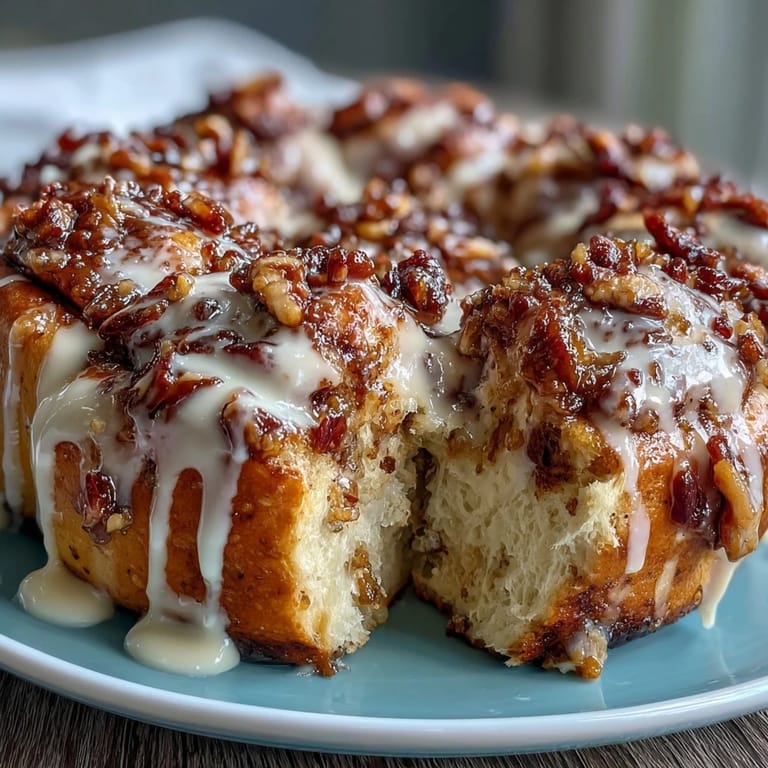
 These buns carry the weight of tradition lightly—they're British Easter royalty that somehow tastes homey instead of fancy. Make them once and they'll come back to your kitchen year after year, becoming part of how you mark the seasons.
Recipe FAQs
- → What types of dried fruit work best in the buns?
Currants, raisins, and chopped candied orange peel provide the classic sweet and tangy balance, but dried cranberries or apricots are excellent alternatives.
- → How should I shape the buns before baking?
Divide the dough into 12 equal pieces, shape each into a smooth ball, and place them spaced slightly apart on a parchment-lined tray for even baking.
- → Can I prepare the dough in advance?
You can mix and knead the dough a day ahead and refrigerate it to rise slowly overnight, then shape and bake the next day for convenience.
- → What is the purpose of the cross paste?
The cross paste is piped on before baking to create the traditional cross marking, adding visual appeal and a slight textural contrast.
- → How is the citrus glaze made and applied?
Mix powdered sugar with freshly squeezed orange and lemon juice, then brush the glaze over the buns immediately after baking while still warm for a bright, shiny finish.
- → Can I add any additional spices?
A pinch of ground cardamom can be added to the dough for an extra layer of warmth and complexity in the flavor.