 Save to Pinterest
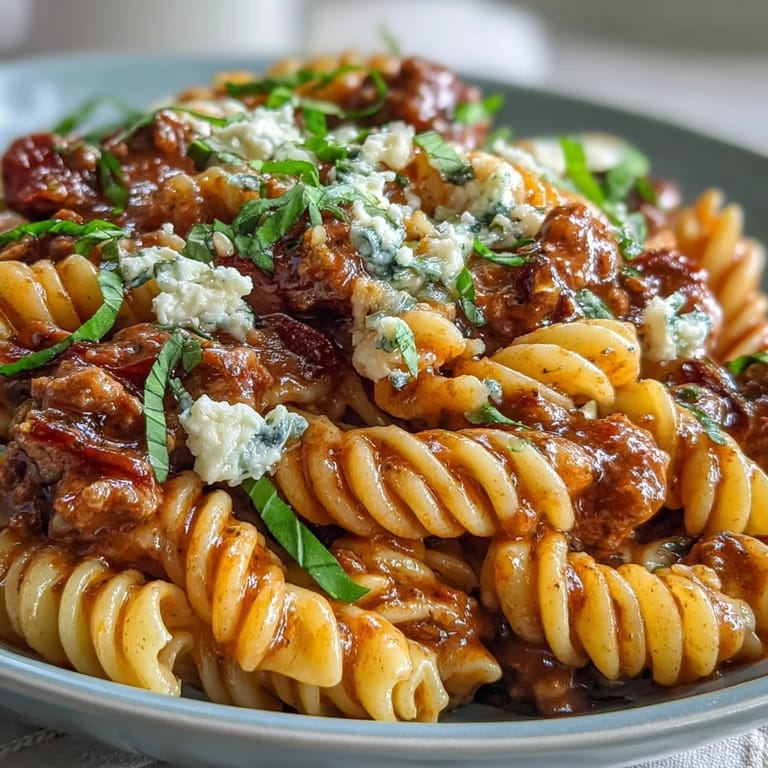
 There's something about a weeknight when the kitchen smells like sausage browning and red wine reducing that makes everything feel intentional. I discovered this one-pot pasta on a rainy Tuesday when I had half an hour and a craving for something that felt like restaurant-quality comfort without the fuss. One pot, no draining, no separate pans—just layers of flavor building as the pasta cooks right into the sauce, absorbing every note of wine and umami as it goes.
I made this for friends on a chilly October evening, and watching their faces when they realized everything came from a single pot was worth the slightly raised eyebrow I got when I added soy sauce to Italian sausage. By the time the cream swirled in and the Parmesan melted, the whole table got quiet—the kind of quiet that means the food is doing the talking. That's when I knew this recipe had staying power.
Ingredients
- Italian sausage, 400 g (14 oz): The backbone of this dish; mild sausage keeps it approachable while spicy adds a welcome kick. Remove the casings and let it brown well—those caramelized bits are flavor gold.
- Onion, 1 medium, finely chopped: Your aromatic foundation; take the time to chop it fine so it melts into the sauce rather than staying chunky.
- Garlic, 3 cloves, minced: Don't skip this or rush it; garlic cooked alongside the onion becomes mellow and sweet, not sharp.
- Red bell pepper, 1, diced: Adds sweetness and a soft texture; the pepper breaks down slightly during cooking and almost dissolves into the sauce.
- Canned chopped tomatoes, 400 g (14 oz): Choose a quality brand without added sugar if you can—you want tomato flavor, not sweetness competing with the wine.
- Short pasta, 300 g (10 oz): Penne, rigatoni, or fusilli all work beautifully because the short shapes trap sauce in every curve; avoid long pasta like spaghetti.
- Dry red wine, 120 ml (1/2 cup): Use something you'd actually drink; cheap wine tastes cheap, and that bitterness lingers. The wine reduces and mellows, becoming part of the sauce's backbone.
- Chicken or vegetable broth, 700 ml (3 cups): Low-sodium is crucial because the soy sauce and Parmesan add their own salt; taste before adjusting at the end.
- Heavy cream, 120 ml (1/2 cup): The finishing touch that makes everything luxurious; don't use light cream or it'll taste thin and watery.
- Parmesan cheese, 40 g (1/2 cup), grated: Freshly grated makes a difference in both texture and flavor; pre-grated contains anti-caking agents that make the sauce grainy.
- Soy sauce, 2 tbsp: This is the secret ingredient that sounds odd but transforms the entire dish—it adds umami depth and richness without tasting Asian at all.
- Dried oregano, 1 tsp: Italian seasoning works too if that's what you have, but oregano stays true to the dish's roots.
- Chili flakes, 1/2 tsp (optional): A whisper of heat that plays beautifully against the cream; leave it out if you prefer pure comfort.
- Black pepper, 1/2 tsp: Fresh cracked is always better than pre-ground for a brighter bite.
- Salt, to taste: Add it gradually; the soy sauce, broth, and cheese are already salty.
- Fresh basil or parsley, chopped: A handful of fresh herbs at the end brightens everything and adds a color pop that matters more than you'd think.
Tired of Takeout? 🥡
Get 10 meals you can make faster than delivery arrives. Seriously.
One email. No spam. Unsubscribe anytime.
Instructions
- Brown the sausage until it's deeply golden:
- Heat your pot over medium heat and let it get genuinely hot before the sausage hits the pan. Break the meat apart with a spatula as it cooks, pressing it against the hot surface so it caramelizes rather than just sits there steaming. After 5 to 6 minutes, it should look crumbly and deeply browned, not pale pink.
- Build the base with aromatics:
- Add the onion, garlic, and bell pepper to the sausage and let them soften for 3 to 4 minutes, stirring occasionally. You're not rushing this; let the vegetables pick up the sausage's flavor and start breaking down slightly, filling your kitchen with that savory-sweet smell.
- Deglaze with red wine and let it breathe:
- Pour the wine in and scrape the bottom of the pot with your spoon or spatula, loosening every brown bit—that's pure flavor. Let it simmer for about 2 minutes so the sharp alcohol taste mellows and some of the liquid reduces.
- Build the sauce foundation:
- Stir in the tomatoes, broth, soy sauce, oregano, chili flakes if using, and black pepper. The liquid should look rich and purposeful, not pale or thin.
- Add the pasta straight in and let it cook together:
- Pour the uncooked pasta into the pot and make sure it's mostly submerged in liquid—some parts can poke above the surface, they'll soften as the liquid comes to a boil. Bring everything to a gentle boil, then lower the heat to medium-low and cover with a lid. Stir occasionally as the pasta cooks so it doesn't stick to the bottom; you'll notice the liquid gradually absorbing into the pasta over about 12 to 15 minutes until it's al dente and creamy-looking rather than soupy.
- Finish with cream and cheese:
- Stir in the heavy cream and Parmesan cheese, cooking uncovered for 2 to 3 minutes more until the sauce coats the back of your spoon and looks silky. Don't let it boil hard or the cream can separate; keep it gentle.
- Taste and adjust before serving:
- Take a spoonful, let it cool slightly, and taste carefully. The soy sauce might have provided enough salt, but a pinch more never hurt if the dish tastes flat.
- Finish with fresh herbs and serve:
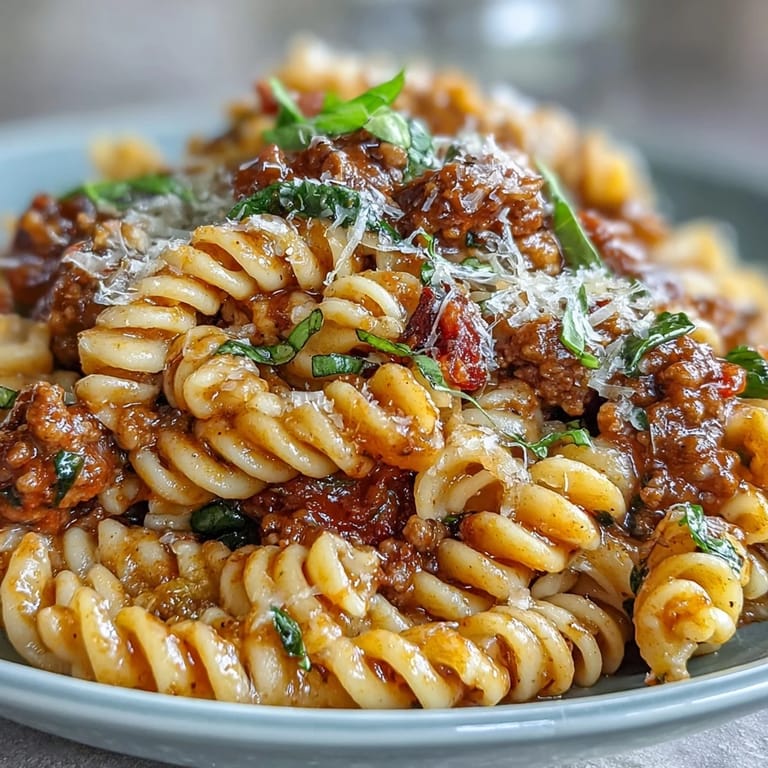
- Top each bowl with fresh basil or parsley and maybe another whisper of Parmesan if you're feeling generous. Serve it hot while the sauce is still creamy and clinging to every piece of pasta.
 Save to Pinterest
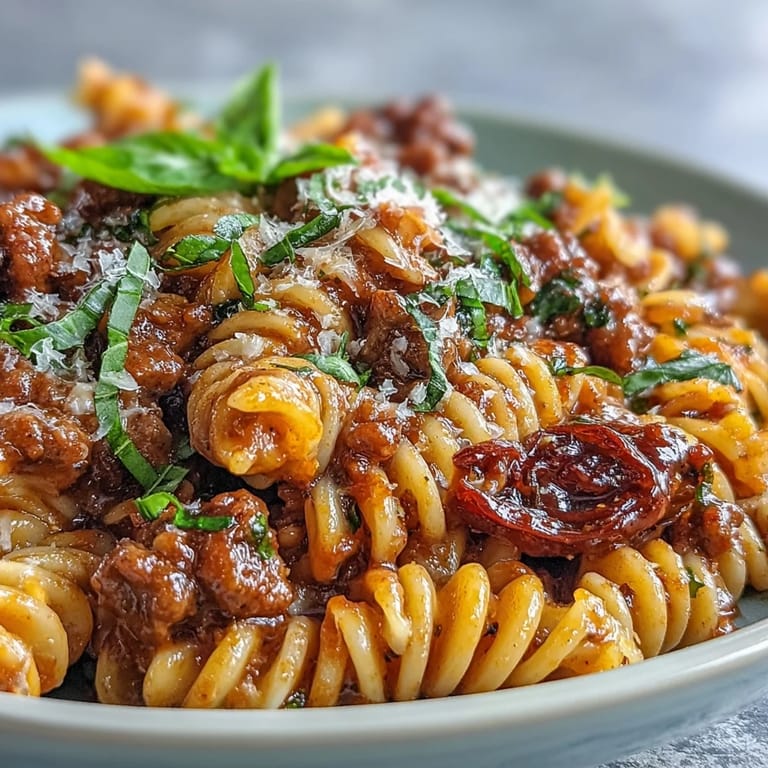
 This dish became the thing I made when someone needed comfort food but I wanted to feel like I'd actually cooked something, not just heated something up. There's a small victory in setting down a bowl of creamy, wine-dark pasta that tastes like it took hours but genuinely took 40 minutes, and watching someone eat a spoonful and say, 'Did you make this from scratch?' Yes, yes I did.
Why Red Wine Matters Here
The red wine isn't just flavor—it's structure. As it reduces and mingles with the tomatoes and soy sauce, it creates a foundation that makes the cream taste richer and the pasta more intentional. The tannins in the wine soften into the sauce, and what you're left with is this deep, burgundy-colored cling that tastes sophisticated without trying too hard. I learned early on that skimping on wine quality backfires; cheap wine stays sharp and acrid even after cooking.
The One-Pot Magic
There's something almost meditative about cooking pasta directly in the sauce instead of draining it separately. The starch from the pasta emulsifies with the liquid, making the sauce naturally thicker and more velvety without any cream at all—the cream is just the final flourish that makes it feel luxurious. I also love that you taste as you go and can adjust seasoning without it being a big production. One pot, one lid, one moment where everything comes together.
Flexibility and Swaps
This recipe doesn't demand Italian sausage—I've made it with turkey sausage for lighter nights and once with a really good plant-based sausage for a friend who'd gone vegetarian. The structure stays solid, and honestly, the soy sauce and wine carry so much flavor that the sausage is more textural support than the whole story. If you're out of red wine, I wouldn't substitute it with white; instead, I'd add a splash more broth and lean harder into the tomato and soy sauce for depth.
- Turkey or plant-based sausage works beautifully if you want something leaner but still flavorful.
- If cream isn't in the house, a splash of whole milk mixed with a bit of flour works in a pinch, though it won't be quite as silky.
- A sprinkle of fresh thyme or a bay leaf during cooking adds another layer if you're feeling it, though the dish stands perfectly on its own.
 Save to Pinterest
 This is the recipe I reach for when I want to feel like I've cooked something real in the time it takes to order takeout. It's warm, it's rich, and it tastes like you spent hours on it.
Recipe FAQs
- → Can I use different pasta shapes?
Yes, any short pasta works well here. Penne, rigatoni, fusilli, or even macaroni will cook evenly in the liquid and hold the creamy sauce nicely.
- → Is the red wine flavor too strong?
The red wine mellows considerably during cooking, adding subtle depth rather than an overpowering taste. If preferred, replace with extra broth.
- → Can I make this lighter?
Substitute turkey sausage or plant-based sausage, use half-and-half instead of heavy cream, and reduce the Parmesan slightly for a lighter version.
- → Why add soy sauce to an Italian-style pasta?
Soy sauce enhances savory umami notes without making it taste Asian. It deepens the overall flavor profile and balances the creaminess beautifully.
- → How do I store leftovers?
Refrigerate in an airtight container for up to 3 days. Reheat gently with a splash of broth or cream to restore the sauce's consistency.
- → Can I freeze this dish?
Freezing works, though the cream may separate slightly. Thaw overnight in the refrigerator and reheat slowly, stirring to recombine the sauce.