 Save to Pinterest
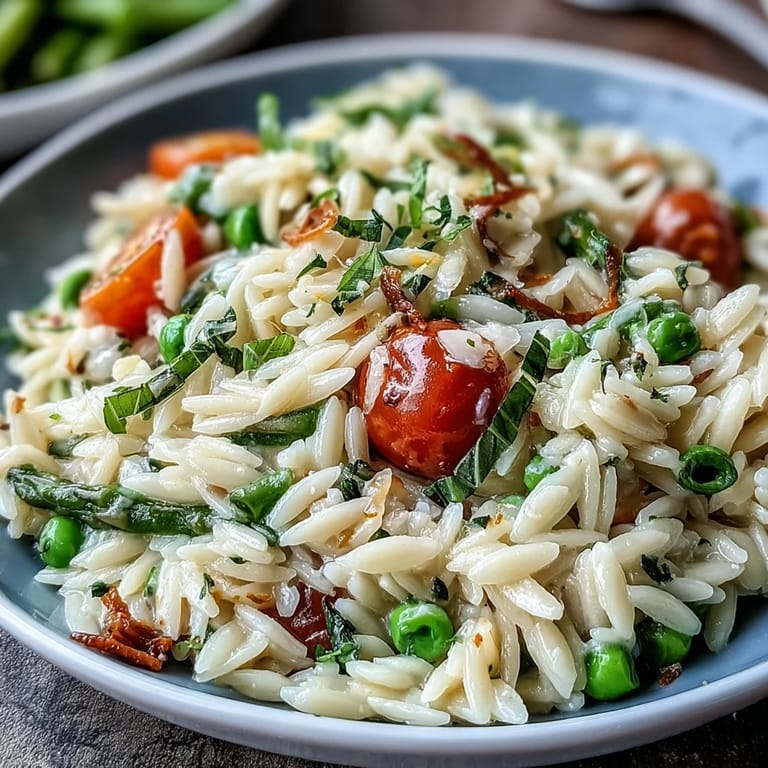
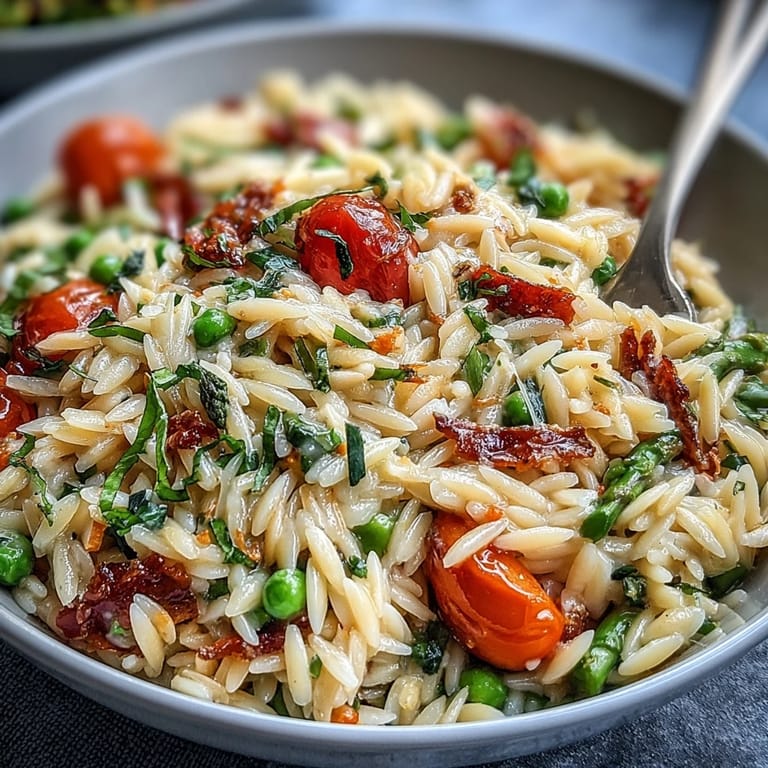
 Steam was curling around my face as I chopped a heap of asparagus one Saturday afternoon, the kitchen speakers humming with early summer jazz. On a whim, I reached for the orzo instead of spaghetti, curious to see how those tiny pasta grains would mingle with a handful of farmers market vegetables. The sizzle of garlic and shallot hitting the skillet was my unofficial cue that something delicious was about to happen. By the time basil perfumed the air and parmesan melted in creamy ribbons, I was grinning over a bowl that truly tasted like spring. This became my go-to for a light dinner that feels equal parts cozy and celebratory.
Last April, I tossed this primavera together for a friend fresh back from a hiking trip, muddy boots sitting by the door and laughter spilling into the kitchen. We ate right from mismatched bowls, swapping stories about rainy hilltops and the simple wins of warm food and good company. I’ll never forget how the colors of the veggies shimmered in the evening light, making us smile a little more with every bite.
Ingredients
- Orzo pasta: Use good quality orzo for a chewy texture that soaks up flavor—stir it right away to keep it from clumping.
- Olive oil: A soft, grassy olive oil adds a gentle fruit note—let it heat gently so spices bloom, not burn.
- Asparagus: Snap off the woody ends (they naturally break where they should) and don’t overcook so they stay vibrant.
- Sugar snap peas: Trimming the tips and slicing on the diagonal keeps them crisp and pretty in the pan.
- Zucchini: Smaller zucchini are sweeter—cut them into even dice to cook quickly and evenly.
- Cherry tomatoes: Halved, they soften into little bursts of sweetness.
- Frozen peas: Thaw first and add last for a pop of green and sweetness—don’t overdo or they’ll go mushy.
- Shallot: More delicate than onion, it melts into the base, making everything taste a hint more special.
- Garlic: Just two cloves, finely chopped, for aromatic depth—watch closely so it only turns lightly golden.
- Parmesan cheese: Finely grated works best for a quick, even melt while shavings are nice to sprinkle on top.
- Fresh basil: Slice into ribbons just before serving to avoid bruising and keep their spicy-sweet aroma intact.
- Unsalted butter: A little swirl at the end gives a silky finish—use just a tablespoon for balance.
- Salt and black pepper: Taste as you go—it’s easy to under-season with all the fresh veggies at play.
- Lemon zest and juice: Use both for a double hit of brightness; zest before juicing for less mess.
Tired of Takeout? 🥡
Get 10 meals you can make faster than delivery arrives. Seriously.
One email. No spam. Unsubscribe anytime.
Instructions
- Boil the orzo:
- Set a large pot of salted water roaring and pour in the orzo, stirring occasionally so nothing sticks. Cook until al dente, about 8 minutes, then scoop out some pasta water before draining.
- Sauté aromatics:
- Drizzle olive oil into a hot skillet, then tumble in the shallots and garlic—wait for the aroma to rise and only let them turn pale gold.
- Add spring veg:
- Scatter asparagus, zucchini, and sugar snaps into the pan, stirring so they glisten and just start to soften but keep their snap.
- Add tomatoes and peas:
- Drop in cherry tomatoes and peas, cooking just until tomatoes look shiny and peas are brilliant green.
- Toss with orzo:
- Spoon in the drained orzo, mixing until the vegetables and pasta are evenly jumbled together.
- Make it creamy:
- Lower the heat, stir through butter, parmesan, lemon zest, and juice, and add splashes of reserved pasta water until it looks creamy but not soupy.
- Season and finish:
- Season well with salt and black pepper, then, off the heat, gently fold in the basil ribbons for that fresh lift.
- Serve:
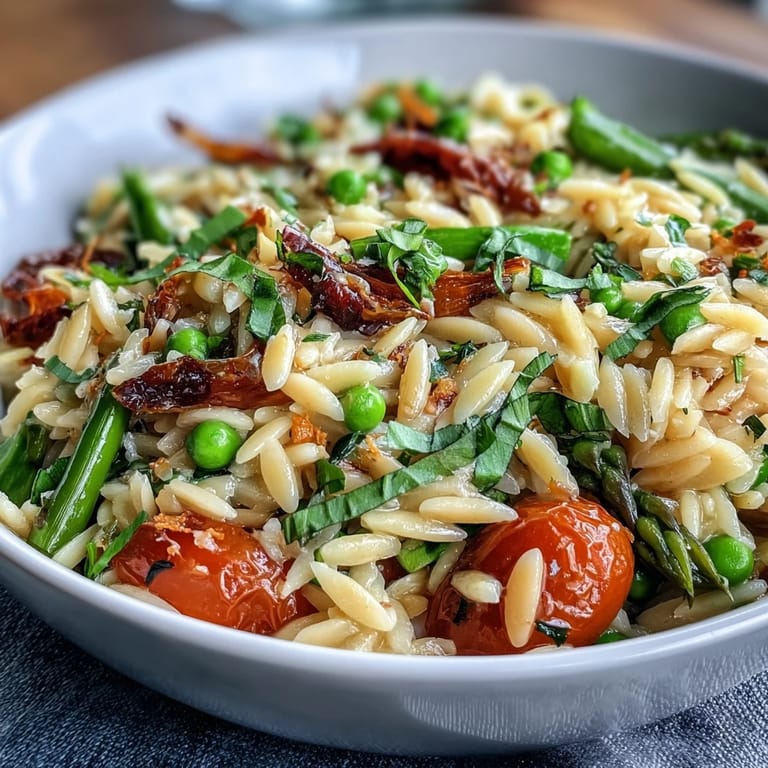
- Dish into bowls right away and shower with extra parmesan and basil if you like your food extra festive.
 Save to Pinterest
  Save to Pinterest
 There was a time I brought a big bowl of this orzo primavera to a weekend potluck, worrying it would cool too quickly. By the end of the night, even chilled and scooped onto little plates, people kept drifting back for seconds. It dawned on me then that fresh flavors and good moments are the main ingredients that matter.
Swapping in Other Veggies
I’ve made this with everything from ribbons of baby spinach to artichoke hearts when my vegetable drawer was running low. The trick is to keep cooking times in mind—delicate greens go in last, while heartier veg like bell pepper can hop into the skillet early. It’s a forgiving recipe, happy to adapt to what you’ve got on hand or want to use up.
Vegan and Allergy Options
Vegan friends love this dish just as much when I use plant-based butter and a generous sprinkle of vegan parmesan—honestly, the texture barely changes. If you’re navigating allergies, always check the ingredient labels on your orzo and cheese. A tip from my kitchen: adding a splash of extra olive oil and lemon juice gives great flavor if you go dairy-free.
Making It Your Own Every Time
Sometimes I top my bowl with a poached egg, while other days crumbled goat cheese or dollops of pesto take center stage. This orzo primavera thrives on adaptation, so don’t be shy with your favorite add-ins or seasonal swaps.
- Reserve a few fresh basil leaves to scatter just before serving for vibrant color and aroma.
- If you want more protein, stir in shredded rotisserie chicken or seared shrimp at the end.
- Go easy on the lemon juice—taste and add more so it brightens, not overwhelms.
 Save to Pinterest
  Save to Pinterest
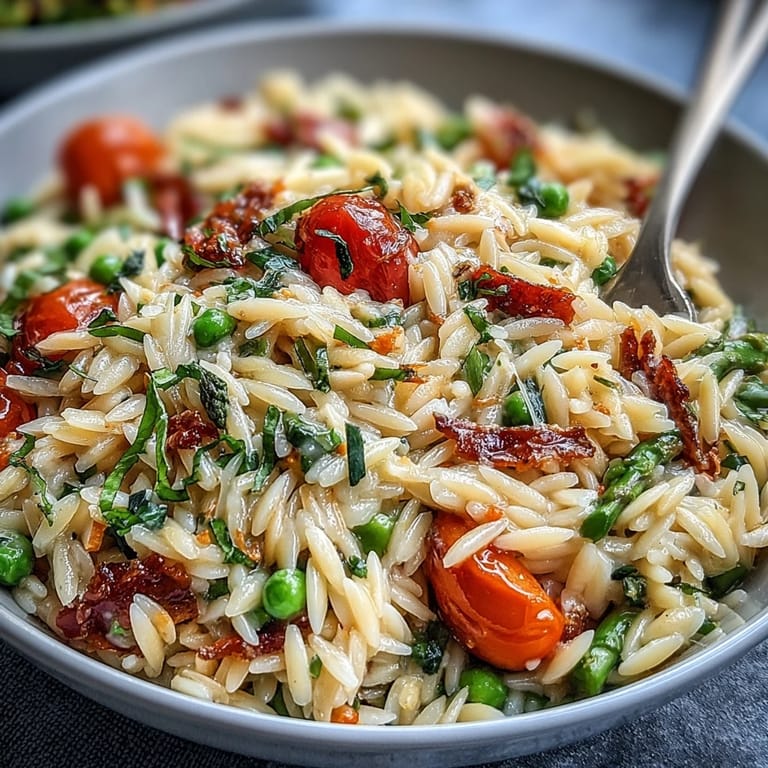
 Here’s to dishes that taste like a sunny afternoon, no matter what the weather is doing outside. May this orzo primavera bring as many smiles to your table as it has to mine.
Recipe FAQs
- → Can I make this ahead of time?
Yes. Keep orzo and vegetables slightly undercooked, store chilled, and gently rewarm in a skillet with a splash of reserved pasta water or stock to revive creaminess.
- → How do I keep the orzo creamy without heavy sauce?
Reserve some cooking water and add it a little at a time when stirring in butter and parmesan. The starchy water creates a silky coating without heaviness.
- → What can I use instead of parmesan?
Try Pecorino Romano for a sharper bite, nutritional yeast for a vegan option, or a grated aged cheddar in small amounts for richness.
- → How can I add protein to this dish?
Toss in grilled chicken, pan-seared shrimp, or chickpeas. For a vegetarian boost, stir in white beans or crisped tofu cubes.
- → Can I make this vegan-friendly?
Yes. Swap butter for plant-based spread and use a vegan parmesan alternative or nutritional yeast to maintain savory depth.
- → How do I avoid overcooking the vegetables?
Cook sturdier vegetables like asparagus and zucchini briefly until bright and just tender, then add softer items like cherry tomatoes near the end to retain texture and color.