 Save to Pinterest
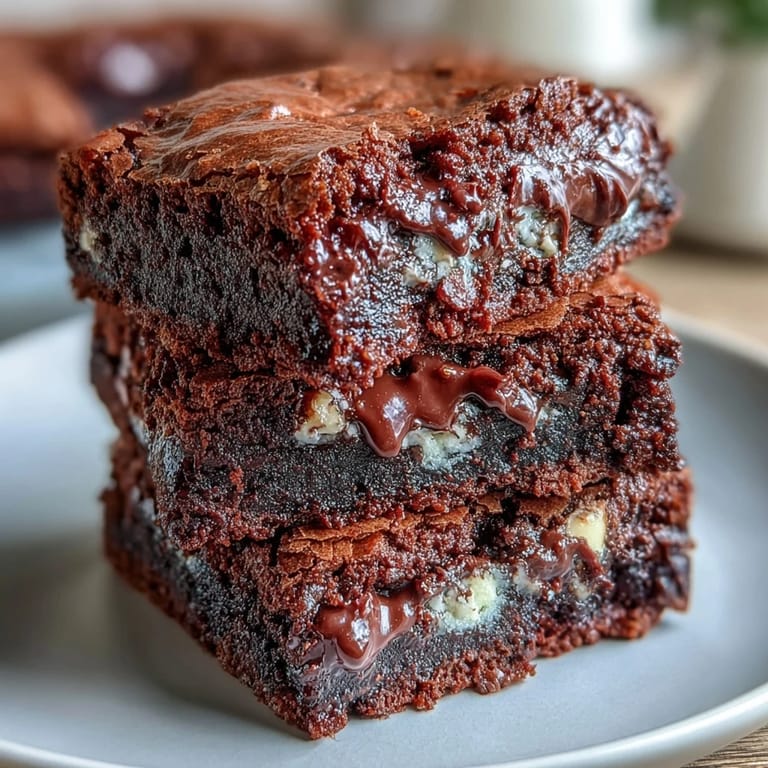
 My sourdough starter was sitting neglected in the back of my fridge one Tuesday when I started wondering: what if I baked with my discards instead of always tossing them? That afternoon, I mixed what I had—butter, chocolate, espresso—and realized I'd stumbled onto something that tasted like a bakery secret. The starter added this subtle tang that made the chocolate taste even deeper, more alive somehow. Now these brownies are my answer to the question I didn't know I was asking.
I brought these to a dinner party last summer, nervous because I'd never mentioned the sourdough element before serving them. My friend bit into one and asked why they tasted so impossibly fudgy, and when I told her, she laughed—her own starter had been collecting dust, and suddenly both of us had a plan for those jars gathering guilt in our fridges.
Ingredients
- Bittersweet chocolate (100 g, 60–70% cacao): This is your foundation—choose quality here because it's the loudest voice in the mix.
- Milk chocolate (50 g): Softens the intensity just enough to make milk chocolate lovers feel welcome too.
- White chocolate (50 g): I know, I know—it's controversial—but it adds a subtle sweetness and richness that balances the cocoa bitterness beautifully.
- Unsweetened cocoa powder (30 g): Sift it before folding to avoid lumps that can feel grainy in your mouth.
- Sourdough starter (120 g, unfed/discard): This is the secret ingredient—use what you'd normally throw away, fed or unfed, doesn't matter.
- Unsalted butter (115 g): Cubed before melting ensures even, smooth texture without graininess.
- Large eggs (2): Room temperature eggs incorporate smoother and create better lift.
- Vanilla extract (1 tsp): Rounds out the flavor like a whisper you feel rather than taste.
- Strong brewed espresso (2 tbsp): The espresso powder route works if you don't have brewed coffee, but the liquid version melds more naturally.
- Granulated sugar (150 g): Provides structure and that slight crystalline texture on top.
- Light brown sugar (50 g, packed): Adds moisture and a subtle molasses depth that whispers beneath the chocolate.
- All-purpose flour (100 g): Measured by weight for accuracy—too much flour creates a cake, not a brownie.
- Fine sea salt (1/2 tsp): Enhances chocolate flavor and balances sweetness in a way that feels almost magical.
Tired of Takeout? 🥡
Get 10 meals you can make faster than delivery arrives. Seriously.
One email. No spam. Unsubscribe anytime.
Instructions
- Set your stage:
- Preheat your oven to 350°F and line an 8x8-inch pan with parchment, letting it drape over the edges so you can lift the whole batch out later without wrestling. This small step saves you from crumbly corners and ruined brownies.
- Melt chocolate and butter gently:
- Combine your chopped bittersweet chocolate and cubed butter in a heatproof bowl set over simmering water, stirring until the mixture is silky and smooth. Watch it carefully—you want melted, not scrambled, and this takes maybe 5 minutes.
- Build the base:
- Remove from heat and whisk in both sugars until they dissolve into the chocolate mixture. Add eggs one at a time, whisking well between each one so they incorporate fully instead of creating streaks.
- Add the aromatics:
- Stir in vanilla extract and your espresso—this is where the magic happens, where the flavors start talking to each other. The mixture should smell like you're walking into a European chocolate shop.
- Fold in your secret weapon:
- Gently fold the sourdough starter into the wet ingredients until you can't see streaks anymore. This seems strange—folding in what looks like batter into batter—but trust the process.
- Combine dry ingredients carefully:
- Sift flour, cocoa powder, and salt together over the wet mixture. Fold just until combined, being gentle enough that you're not developing gluten, which would make these tough instead of tender.
- Scatter the remaining chocolate:
- Fold in the chopped milk and white chocolate pieces, distributing them evenly so every brownie gets at least one moment of pure chocolate melting on your tongue.
- Pour and smooth:
- Transfer batter to your prepared pan and use a spatula to even out the top. A smooth surface bakes more evenly and looks intentional.
- Bake until just set:
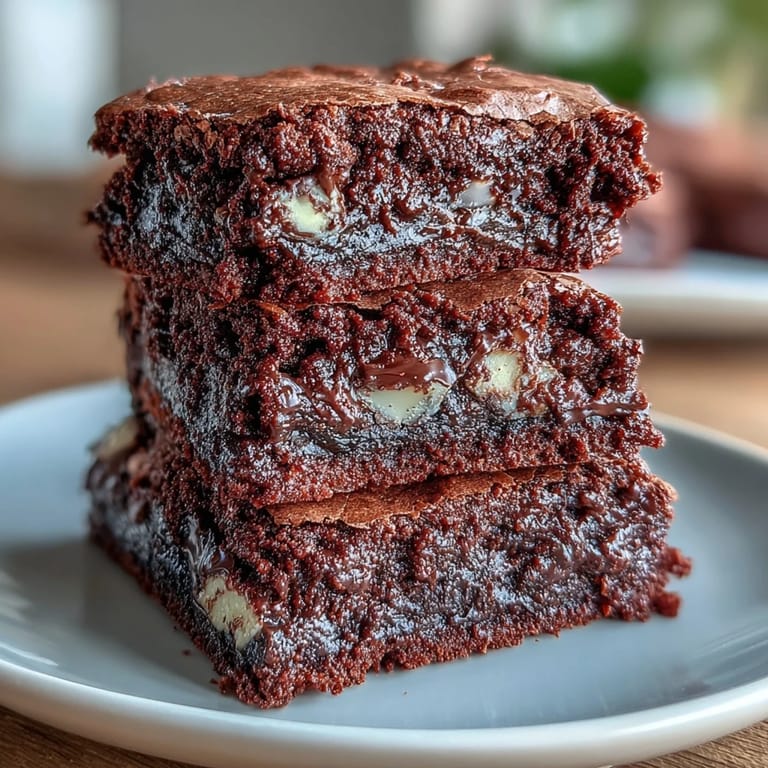
- Bake for 32–36 minutes, until a toothpick comes out with moist crumbs clinging to it. The center should jiggle ever so slightly when you shake the pan—this is the secret to fudginess.
- Cool and slice:
- Let brownies cool completely in the pan, then use those parchment overhangs to lift the whole block out. Slice into 12 squares with a warm, wet knife for clean edges.
 Save to Pinterest
 There's something healing about watching someone taste something you made and seeing their whole face change—that small pause when they're registering the depth of flavor, the unexpected tang, the way the chocolate keeps evolving. These brownies have done that more than once.
The Sourdough Secret
Using sourdough starter in baking isn't new, but it's wildly underrated in desserts. The slight fermentation adds complexity—a subtle tanginess that doesn't taste sour but makes everything taste more intentional. It also adds moisture, which is why these brownies stay fudgy even after a few days. Think of it as a flavor amplifier rather than an ingredient you can taste by name.
Chocolate Matters Here
Most brownie recipes use one kind of chocolate, which is fine but missing something. The bittersweet carries intensity, the milk chocolate softens it, and the white chocolate—yes, really—adds a buttery roundness that prevents the brownie from tasting one-note. You're not making white chocolate brownies; you're making better brownies by layering three kinds of complexity. Buy chocolate you'd eat on its own; your brownies will taste like you care, because you did.
Espresso Elevation
Espresso in chocolate desserts works like salt in savory food—it doesn't announce itself but makes everything taste more. The coffee deepens the chocolate flavor, adds a subtle sophistication, and creates a finish that lingers. You're not making coffee brownies; you're making chocolate brownies that taste more like themselves. If you only have instant espresso powder, dissolve it in hot water first rather than sprinkling it dry, because it won't incorporate evenly otherwise.
- Brewed espresso tastes better than powder, but powder works perfectly fine in a pinch.
- Strong black coffee works as a substitute if you don't have espresso at all.
- Don't skip this ingredient thinking it will make brownies taste like coffee—it won't.
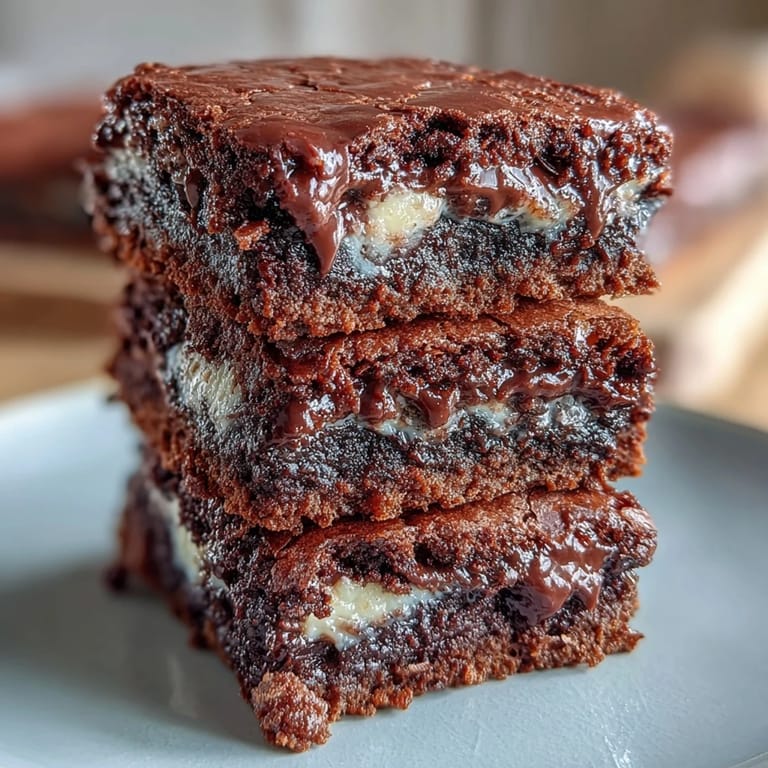 Save to Pinterest
 These brownies transformed my relationship with my sourdough starter from obligation to joy. Now every discard feels like potential.
Recipe FAQs
- → What gives these brownies their unique tang?
The inclusion of sourdough starter introduces a subtle tang that balances the richness of the chocolates, adding depth to the flavor profile.
- → How does espresso affect the flavor?
Espresso enhances the chocolate intensity by adding a deep, roasted bitterness that complements the sweetness and creates a well-rounded taste.
- → Can I use other types of chocolate?
The blend of bittersweet, milk, and white chocolates contributes varied flavor notes and textures, but substitutions can be made based on personal preference.
- → What is the best way to achieve fudgy brownies?
Careful mixing to avoid overworking the batter and precise baking until the center is just set ensures a fudgy, moist texture.
- → How should these brownies be stored?
Store brownies in an airtight container at room temperature or refrigerate for extra chewiness before serving.