 Save to Pinterest
 My neighbor brought over a tin of hojicha powder from her recent trip to Kyoto, and I spent an entire afternoon just breathing in its toasty, almost nutty aroma before deciding what to make. There's something about that roasted tea that demands gentleness—it whispers rather than shouts. This cake emerged from that moment of curiosity, a way to honor the gift by letting the hojicha's delicate warmth become the heart of something tender and crumbly.
I made this for a small dinner party where one guest mentioned she'd been craving something sweet but couldn't eat most desserts—allergies, dietary choices, the usual complications. Watching her close her eyes after that first bite, then ask for the recipe, felt like the kitchen had done something small but meaningful that evening.
Ingredients
- Gluten-free all-purpose flour blend: This is your foundation, and it matters more than you'd think—cheap blends can taste slightly off, so invest in a good one that includes xanthan gum.
- Hojicha powder: The whole reason we're here; use high-quality stuff because it's the star, not a supporting actor.
- Almond flour: Adds moisture and a subtle earthiness that plays beautifully with the roasted tea.
- Almond milk mixed with apple cider vinegar: This creates vegan buttermilk and gives the cake a tender crumb and slight tang that balances sweetness.
- Maple syrup: Chose this over other sweeteners because it won't overshadow the hojicha's delicate personality.
- Coconut oil: Melted coconut oil keeps the cake moist while keeping things fully plant-based.
- Full-fat coconut milk: Refrigerate it overnight so the cream separates and becomes a fluffy frosting that rivals any dairy version.
Tired of Takeout? 🥡
Get 10 meals you can make faster than delivery arrives. Seriously.
One email. No spam. Unsubscribe anytime.
Instructions
- Prep your pan and oven:
- Heat your oven to 350°F (175°C) and line an 8-inch round pan with parchment paper, letting it come up the sides a bit—this prevents any sticking drama.
- Create your vegan buttermilk:
- Pour almond milk into a small bowl, add apple cider vinegar, and let it sit for 5 minutes while it curdles slightly; this is your secret ingredient for tender cake.
- Combine all dry ingredients:
- In a large bowl, whisk together the gluten-free flour, almond flour, hojicha powder, baking powder, baking soda, and salt until everything is evenly distributed with no lumps hiding in corners.
- Mix the wet ingredients:
- In another bowl, stir together your curdled almond milk mixture, maple syrup, melted coconut oil, and vanilla extract until smooth.
- Bring it together gently:
- Pour the wet mixture into the dry ingredients and stir just until combined—overmixing develops gluten and makes the cake tough, which defeats the purpose of all this care you're taking.
- Into the oven:
- Pour the batter into your prepared pan, smooth the top with a spatula, and bake for 30 to 35 minutes until a toothpick inserted in the center comes out clean with maybe just a crumb or two clinging to it.
- Cool with patience:
- Let the cake rest in the pan for 10 minutes—this prevents it from cracking—then turn it out onto a wire rack to cool completely before frosting, otherwise your frosting will melt into a puddle.
- Whip the frosting:
- Scoop the solid part of your chilled coconut milk into a mixing bowl (save that liquid for smoothies), add maple syrup and vanilla, then beat with an electric mixer until fluffy and cloud-like, which takes about 3 to 5 minutes.
- Frost with intention:
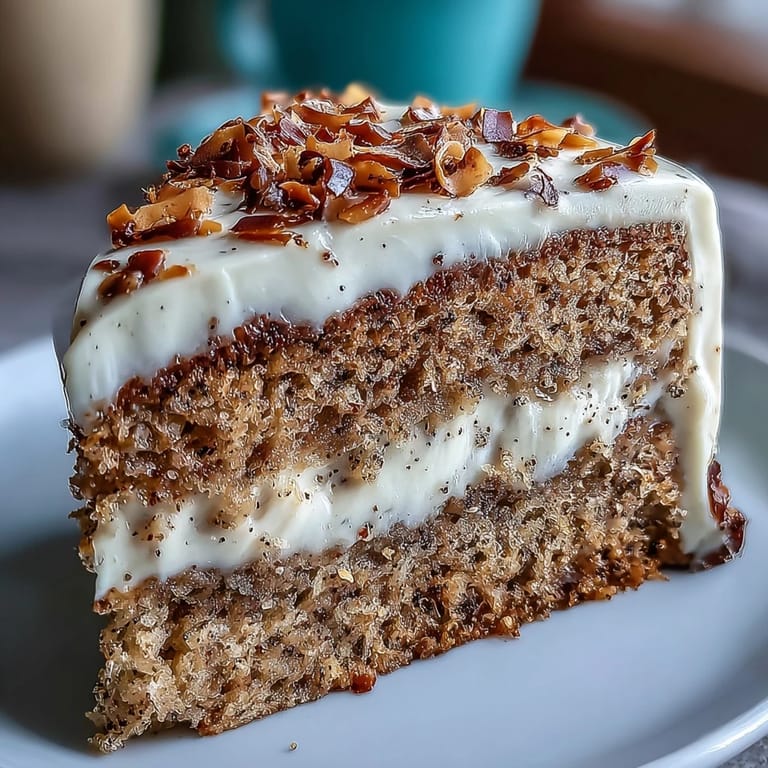
- Once the cake is completely cool, spread the frosting evenly over the top using an offset spatula, creating whatever texture appeals to you.
- Garnish and serve:
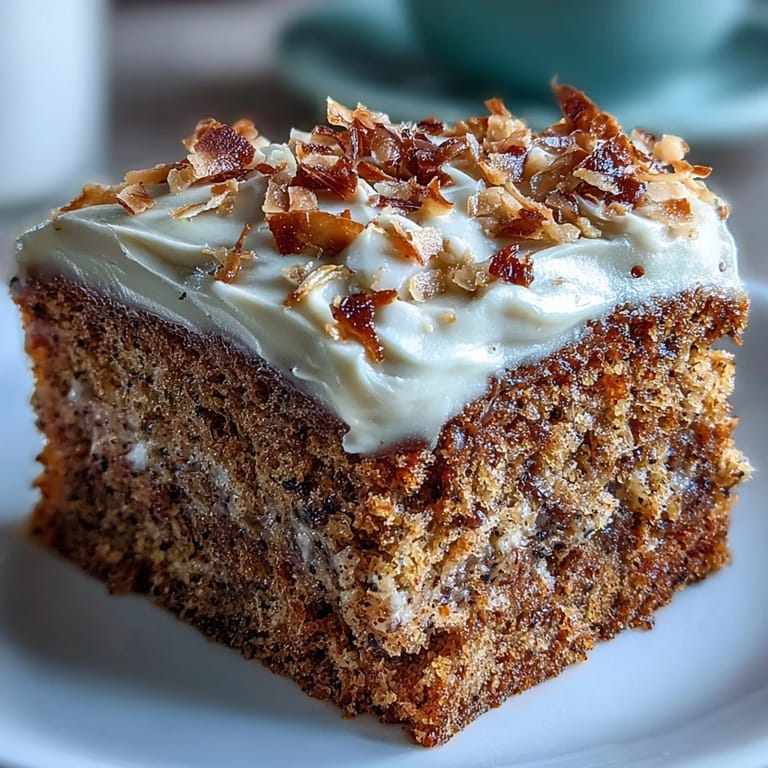
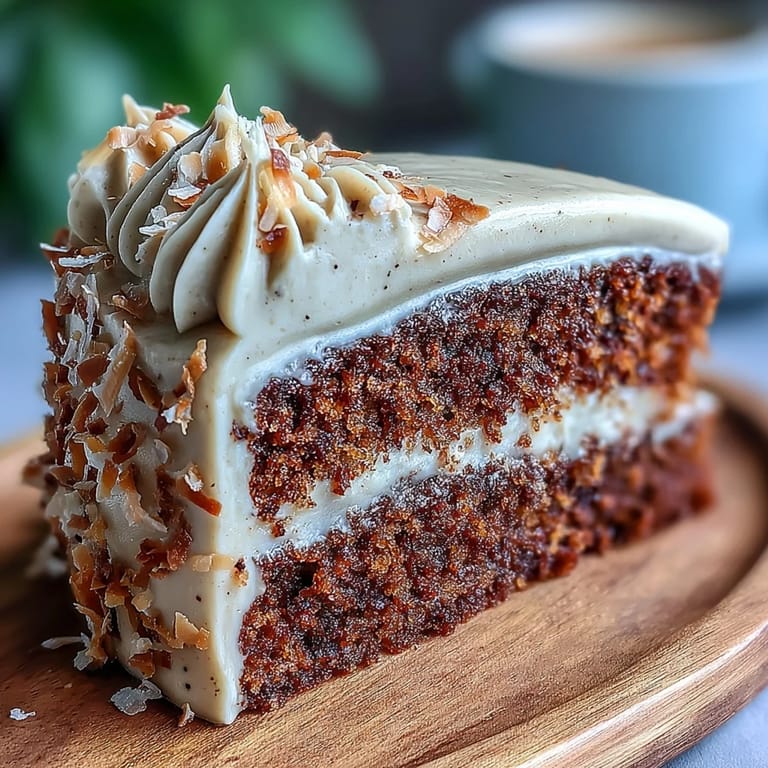
- Dust the top with a light sprinkle of hojicha powder and scatter toasted coconut flakes over it if you want extra visual appeal and a hint of tropical flavor.
 Save to Pinterest
 There's a moment when you dust that hojicha powder over the frosting and the aroma rises up to meet you—that's when you realize this wasn't just about creating another cake, but about capturing something warm and considered in edible form. It became the cake I reach for when I want to give someone something that feels personal rather than generic.
Why Hojicha Matters Here
Hojicha is roasted green tea, which means it loses the grassy notes and gains this incredible toasty, almost caramel-like depth that feels comforting rather than exciting. In a cake, this becomes the quiet sophistication that makes people ask for the recipe—it's not chocolate or vanilla, so it surprises them, but it's not so unusual that it feels strange. The roasting process mellows the caffeine too, making this less agitating than matcha if you're baking for someone who gets jittery.
The Vegan and Gluten-Free Balance
Using both gluten-free flour and almond flour together creates a cake that actually has structure and moisture rather than that dense, slightly sad texture you sometimes get with strictly gluten-free baking. The almond flour contributes fat and protein, which replaces what eggs would normally do, while the vegan buttermilk adds the acidity that triggers lift and tenderness. It's not a trick or a substitute situation—it's just a different cake entirely that happens to work beautifully.
Storage and Variations
This cake keeps for up to three days in the refrigerator, and honestly it tastes slightly better on day two once the hojicha flavor has deepened and settled. You can make a two-layer cake by doubling the ingredients and splitting the batter between two pans—it'll bake in the same time, you'll just need extra frosting. Consider pairing it with matcha tea, a light hojicha latte, or even a delicate sake if you're feeling adventurous.
- Make it a two-layer celebration by doubling the recipe and frosting between the layers too.
- Toast your own coconut flakes in a dry skillet for about three minutes if store-bought ones taste too bland.
- If hojicha powder is impossible to find, you can order it online and it'll keep in an airtight container for months.
 Save to Pinterest
 This cake quietly became my go-to for moments when someone needs something thoughtful and a little bit different. It's the kind of dessert that feels like you spent hours in the kitchen when really you just needed a good recipe and a willingness to honor what you're making.
Recipe FAQs
- → What does hojicha taste like?
Hojicha is a roasted Japanese green tea with a deep, earthy flavor profile. The roasting process removes bitterness and creates notes of caramel, cocoa, and toasted nuts. It's less grassy than matcha and has a naturally comforting, warming quality that pairs beautifully with sweet desserts and creamy frosting.
- → Can I make this cake in advance?
Absolutely. The cake actually improves slightly when made a day ahead, allowing flavors to meld. Store the unfrosted cake at room temperature for up to 2 days, wrapped tightly. Once frosted, refrigerate for up to 3 days. Bring to room temperature before serving for the best texture and flavor.
- → What can I substitute for almond flour?
You can replace the almond flour with additional gluten-free flour blend, though the texture may be slightly denser. For a nut-free option, try sunflower seed flour or finely ground oats. The almond flour contributes moisture and tenderness, so the substitute should be finely ground for best results.
- → Why must the coconut milk be refrigerated overnight?
Chilling separates the thick cream from the thin liquid in canned coconut milk. The solid cream whips into a fluffy, frosting-like consistency, while the liquid portion won't hold air. Without proper chilling, the frosting won't achieve the desired texture for spreading and piping.
- → Is this cake suitable for diabetics?
While sweetened with maple syrup rather than refined sugar, this cake still contains natural sugars from maple and coconut products. The glycemic impact is moderated by the fiber in almond flour and gluten-free flours. Those monitoring blood sugar should enjoy in moderation and consider pairing with protein or healthy fats.
- → Can I bake this as cupcakes?
Yes, this batter works beautifully as cupcakes. Fill lined muffin tins two-thirds full and reduce baking time to 18-22 minutes. You'll get approximately 12-15 cupcakes. Pipe the coconut frosting on top and dust with hojicha powder for an elegant presentation perfect for gatherings or portion control.