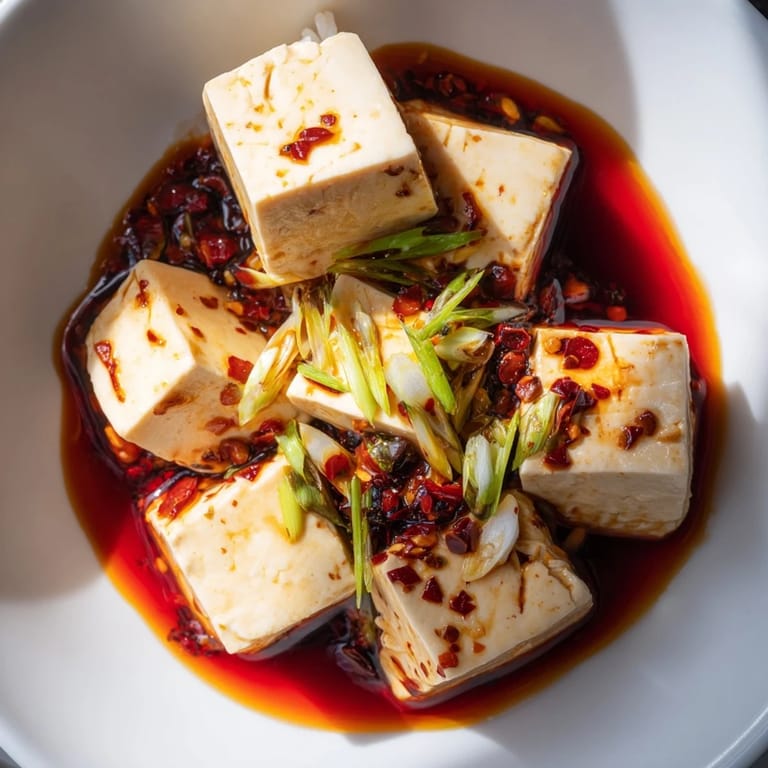
 Save to Pinterest
 The first time I tasted mapo tofu was in a small restaurant in Chengdu, watching the chef pour that crimson sauce over delicate tofu cubes with the kind of practiced ease that made it look effortless. Years later, I realized the magic wasn't in any single ingredient—it was in the balance, the way numbing Sichuan peppercorns danced with heat, and how silken tofu could somehow hold its shape while melting on your tongue. When I finally made it at home, I understood why this dish has been a cornerstone of Sichuan cooking for generations. It's bold, it's comforting, and it comes together faster than you'd think possible.
I remember my friend Sarah visiting from out of state, and I insisted on making this for dinner because I wanted to show her that Chinese food could be more than takeout containers. She took one bite and her eyes went wide—then she asked for seconds before even finishing her rice. That's when I knew this recipe had become something I'd make again and again, not just for the compliments but because it genuinely makes people slow down and pay attention to what they're eating.
Ingredients
- Silken or soft tofu (400 g): The delicate kind that trembles on your spoon; if you can only find firm tofu, it'll work but won't have that cloud-like quality that makes this dish special.
- Ground pork or beef (150 g, optional): Adds richness and texture, but the vegetarian version is just as satisfying if you use quality vegetable broth.
- Sichuan doubanjiang (2 tbsp): This fermented chili bean paste is non-negotiable—it's where all the deep, funky, spicy flavor comes from, so don't skip it or substitute with regular chili paste.
- Soy sauce (1 tbsp): Use low-sodium if you can; the sauce will be salty enough from the doubanjiang alone.
- Shaoxing wine (1 tbsp): Dry sherry works in a pinch, but Shaoxing wine has a subtle sweetness that balances the heat beautifully.
- Sugar (1 tsp): Just a touch to round out the sauce and tame the intensity of the chili paste.
- Chicken or vegetable broth (1/2 cup): Low-sodium is your friend here; you control the saltiness this way.
- Cornstarch slurry (1 tbsp cornstarch mixed with 2 tbsp water): This thickens the sauce so it clings to the tofu instead of pooling at the bottom of the pan.
- Sichuan peppercorns (1 tbsp): Toast and grind these fresh; they lose their numbing power quickly once ground, so this step makes a real difference.
- Vegetable oil (3 tbsp): Use a neutral oil with a high smoke point; this isn't the time for delicate oils.
- Garlic and ginger (3 cloves garlic, 2 tsp ginger): The aromatic foundation that wakes up everything; mince them fine so they dissolve into the sauce.
- Scallions (2, whites and greens separated): The whites go into the pan early for depth, the greens finish the dish with freshness and color.
- Dried red chilies (1–2, chopped): Optional but recommended; they add a linear heat that Sichuan peppercorns can't quite replicate on their own.
Tired of Takeout? 🥡
Get 10 meals you can make faster than delivery arrives. Seriously.
One email. No spam. Unsubscribe anytime.
Instructions
- Mise en place—your secret weapon:
- Drain the tofu and cut it into cubes about the size of dice; lay them on paper towels to remove excess moisture so they don't shatter in the pan. Mix your cornstarch and water into a smooth slurry, and separate your scallion whites from the greens so you're not hunting for them once things get hot.
- Toast the peppercorns:
- Heat your wok or skillet over medium heat and add the Sichuan peppercorns dry, stirring constantly until they smell almost smoky and earthy—this takes about 2 minutes. Transfer them to a mortar and pestle and grind them into coarse flakes; they'll have a tingly, almost menthol-like aroma when they're ready.
- Build your flavor base:
- Add the vegetable oil to the pan, then immediately add the scallion whites, minced garlic, and ginger, stirring constantly for about a minute until the kitchen smells incredible. You're looking for the moment when the raw edge disappears but nothing's burned—it should be fragrant and golden, not brown.
- Add protein if using:
- If you're using ground pork or beef, add it now and break it into small pieces with your spatula, cooking until it loses its pink color and starts to brown. This should take about 3 to 4 minutes, and you want it crumbly, not clumped together.
- Bloom the doubanjiang:
- Stir in the chili bean paste and any dried chilies you're using, cooking for 1 to 2 minutes until the oil turns deep red and smells intensely fragrant and spicy. This blooming step is crucial—it releases the fermented flavors and prevents the paste from tasting harsh or one-dimensional.
- Deglaze and simmer:
- Pour in the Shaoxing wine, soy sauce, sugar, and broth, stirring until everything combines, then bring the mixture to a gentle simmer. Let it bubble softly for a minute or two so the flavors marry together.
- Introduce the tofu gently:
- Carefully slide the tofu cubes into the simmering sauce—treat them like they're fragile, because they are—and let them sit for about 5 minutes, occasionally spooning sauce over them to help them absorb the flavors. This is the time to taste and adjust: too salty, add a splash of broth; too mild, add more chili paste or a pinch more peppercorns.
- Thicken the sauce:
- Give your cornstarch slurry a quick stir (it settles fast), then drizzle it slowly into the pan while stirring gently, watching as the sauce transforms from loose and glossy to silken and clingy. You want the sauce to coat a spoon and hug the tofu, not pool like water at the bottom.
- Final flourish:
- Sprinkle the ground Sichuan peppercorns over everything and scatter half of the scallion greens across the top, then serve immediately over steaming jasmine rice. A final drizzle of chili oil adds color and extra heat if anyone at your table is feeling brave.
 Save to Pinterest
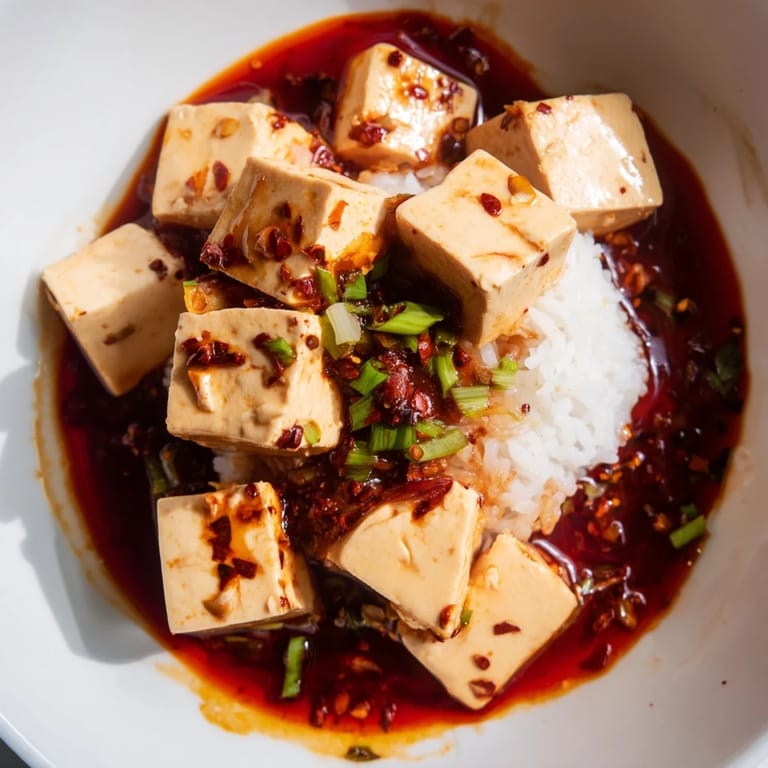
 There's a moment near the end, when the sauce thickens and becomes almost glossy, that I always pause and just look at it before serving. It's when I remember why I fell in love with cooking—not for the technique points or the Instagram photos, but for the simple pleasure of creating something that makes people happy.
The Sichuan Peppercorn Question
Sichuan peppercorns aren't actually spicy in the traditional sense; they contain a compound called hydroxy-alpha sanshool that creates a numbing, tingling sensation on your mouth and lips—almost like a mild electric shock that makes you want another bite immediately. I learned this the hard way when I first added them and thought my mouth was broken, but now I crave that feeling. If you've never experienced it, start with a smaller amount and work your way up, because the sensation is subtle and grows on you in a way that regular hot peppers never do.
Vegetarian Variations That Actually Work
Skipping the meat doesn't make this dish less satisfying if you use quality ingredients and vegetable broth instead of chicken broth. I made a vegetarian batch for a friend who doesn't eat meat, and she said the depth of flavor rivaled the pork version—the fermented doubanjiang carries so much umami on its own that the dish never feels like it's missing anything. The key is using vegetarian doubanjiang specifically, as some brands sneak fish sauce into regular versions, and making sure your broth is flavorful and not just salty water.
Adjusting Heat and Flavor to Your Taste
This dish walks a fine line between numbing, spicy, savory, and sweet, and getting that balance right is what separates a good mapo tofu from an unforgettable one. If it tastes too sharp or one-dimensional, add a pinch more sugar; if it's too rich, splash in a little broth; if it's not hot enough, add more dried chilies or doubanjiang next time rather than at the last minute. Build your confidence over a couple of batches and you'll develop an instinct for what your particular palate needs.
- Start conservative with chili paste and dried chilies, then increase them gradually until you find your perfect heat level.
- Taste the sauce before adding the tofu so you can adjust seasoning without worrying about it getting diluted later.
- Remember that the Sichuan peppercorn numbing sensation will intensify as you eat, so the first bite might feel mild even if it's actually perfectly balanced.
 Save to Pinterest
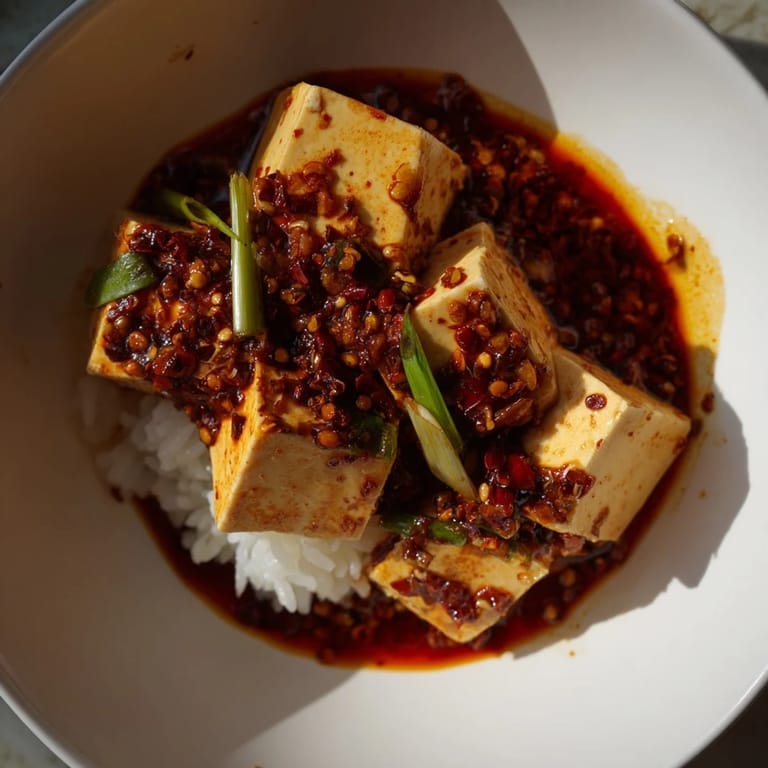
 Mapo tofu is the kind of dish that tastes impressive but rewards honesty and simplicity—no fancy techniques, just good ingredients treated with respect and a little patience. Make it once and you'll find yourself craving it on random weeknights, reaching for it when you want something that feels both comforting and alive.
Recipe FAQs
- → What type of tofu works best?
Silken or soft tofu provides a delicate texture, while firmer tofu holds its shape better during cooking. Choose based on your preferred mouthfeel.
- → Can I make this dish without meat?
Yes, substitute the ground meat with vegetarian doubanjiang and use vegetable broth for a flavorful vegetarian option.
- → How spicy is the dish?
The heat comes from Sichuan peppercorns and fermented chili bean paste, offering a numbing yet spicy profile. Adjust spice by varying the amount of dried chilies used.
- → What is the role of Shaoxing wine?
Shaoxing wine adds depth and subtle sweetness, enhancing the sauce's complexity. It can be replaced with dry sherry if needed.
- → How do I prevent tofu from breaking up?
Gently stir the tofu when simmering and avoid vigorous mixing. Using firmer tofu also helps maintain shape.
- → What is a good beverage pairing?
A crisp, slightly off-dry white wine such as Riesling complements the dish’s bold flavors and balances its spiciness.