 Save to Pinterest
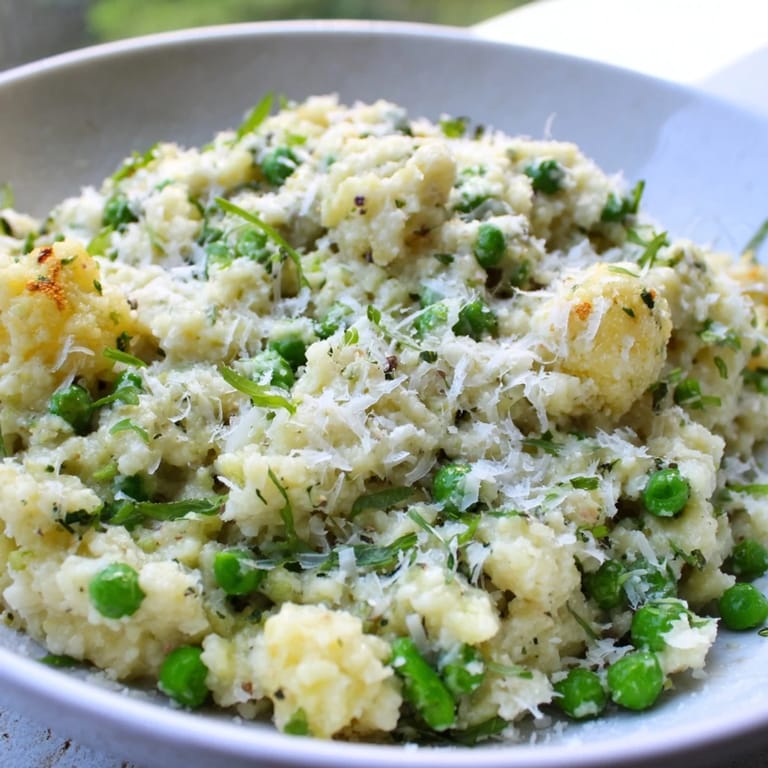
 I stumbled onto this dish on a rainy Tuesday when I had orzo in the pantry and no plan for dinner. The peas were frozen, the Parmesan was leftover from Sunday pasta, and I just started tossing things into a skillet. What came out was this silky, comforting bowl that tasted like something I'd order at a trattoria. Now it's my go-to when I want something cozy without the fuss.
I made this for my sister when she came over exhausted from a long shift at work. She sat at the kitchen counter while I stirred, and we talked about nothing in particular. When I set the bowl in front of her, she took one bite and said it tasted like a hug. I've kept that compliment close ever since.
Ingredients
- Orzo pasta: These little rice-shaped noodles turn tender and release starch as they cook, creating a naturally creamy texture without needing a roux.
- Unsalted butter: Melts into the base and carries the flavor of the shallot and garlic, building a rich foundation for the sauce.
- Heavy cream: This is what makes the dish luscious and velvety, coating every grain of orzo with smooth richness.
- Freshly grated Parmesan cheese: Always grate it yourself, the pre-shredded stuff has anti-caking agents that make the sauce grainy instead of silky.
- Low-sodium vegetable broth: Gives the orzo something savory to absorb as it cooks, and you control the salt level yourself.
- Whole milk: Balances the cream and keeps the sauce from getting too heavy, adding body without overwhelming richness.
- Frozen green peas: Sweet, bright, and already blanched, they thaw quickly and add pops of color and freshness.
- Shallot: Milder and slightly sweeter than onion, it melts into the butter and disappears into the background with just a whisper of flavor.
- Garlic: Two cloves are enough to perfume the whole pan without overpowering the delicate Parmesan.
- Salt and black pepper: Season in layers, taste as you go, and adjust at the end when the cheese is melted in.
- Ground nutmeg: Just a pinch warms up the cream sauce and adds a subtle, cozy depth that people notice but can't quite name.
- Fresh parsley: A handful of green at the end makes the whole dish look bright and taste fresher.
Tired of Takeout? 🥡
Get 10 meals you can make faster than delivery arrives. Seriously.
One email. No spam. Unsubscribe anytime.
Instructions
- Bloom the aromatics:
- Melt the butter in a large skillet over medium heat, then add the shallot and let it soften for 2 to 3 minutes until it smells sweet and turns translucent. Stir in the garlic and cook just 30 seconds until the kitchen fills with that warm, toasty scent.
- Toast the orzo:
- Add the orzo to the pan and stir it around for 1 to 2 minutes, letting the grains turn golden at the edges. This step adds a nutty flavor that makes the whole dish taste more complex.
- Simmer with the liquids:
- Pour in the vegetable broth and milk, bring everything to a gentle simmer, then lower the heat and let it cook uncovered for 8 to 10 minutes, stirring often. The orzo will absorb the liquid and release starch, creating a creamy base all on its own.
- Stir in the peas:
- Add the thawed peas and cook for 2 to 3 minutes until they're heated through and bright green. They'll add little bursts of sweetness in every spoonful.
- Finish with cream and cheese:
- Stir in the heavy cream, Parmesan, salt, pepper, and nutmeg if you're using it, and keep stirring gently for 2 to 3 minutes until the cheese melts and the sauce clings to the orzo. Remove from heat, taste, and add more salt or pepper if it needs it.
- Garnish and serve:
- Sprinkle chopped parsley over the top and serve immediately while it's hot and creamy. The sauce will thicken as it sits, so enjoy it right away.
 Save to Pinterest
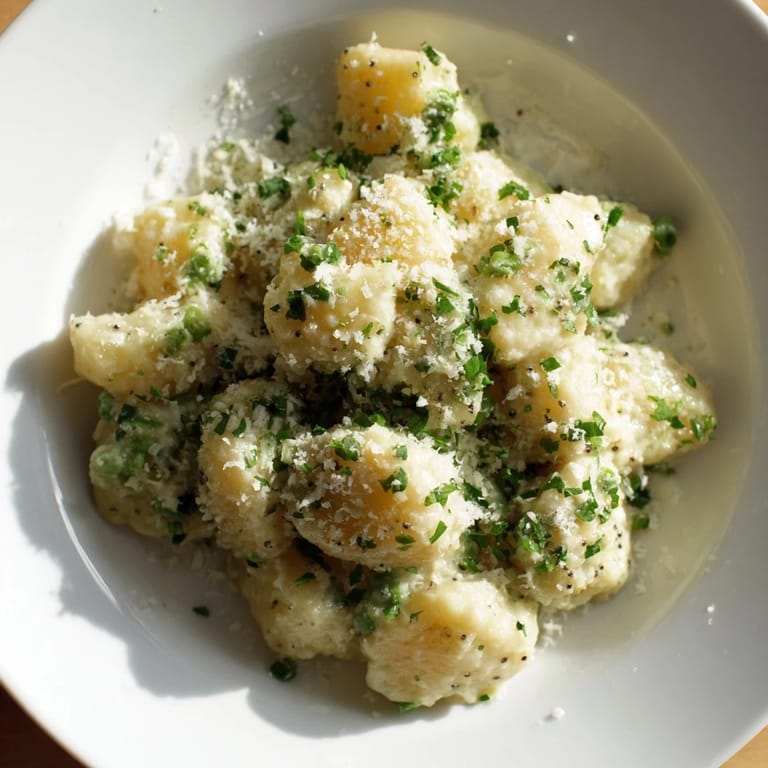
 One evening I served this alongside roasted chicken for friends, and they kept going back for seconds of the orzo instead of the main. It became the quiet star of the meal, the thing everyone wanted the recipe for. That's when I realized simple food, done right, doesn't need to shout to be remembered.
What to Serve It With
This orzo is rich enough to stand alone as a light vegetarian main, especially if you top it with a soft-boiled egg or some sautéed mushrooms. It also makes a beautiful side for grilled chicken, pan-seared salmon, or even a simple green salad dressed with lemon and olive oil. I've served it at casual dinners and fancier gatherings, and it always feels just right.
How to Store and Reheat
Leftovers keep in an airtight container in the fridge for up to three days. The sauce will thicken as it cools, so when you reheat it on the stove, add a splash of milk or broth and stir gently over low heat until it loosens back up. I don't recommend freezing this one, the cream sauce can separate and the texture of the orzo changes in a way that's just not as good.
Ways to Make It Your Own
You can swap the peas for baby spinach, asparagus tips, or even roasted cherry tomatoes depending on what's in season. A squeeze of lemon juice at the end brightens everything up, and a splash of white wine added before the broth gives it a subtle acidity that cuts through the richness. If you want to make it lighter, use half-and-half instead of heavy cream, it won't be quite as velvety but it's still delicious.
- Try stirring in fresh herbs like basil or thyme along with the parsley.
- Add a pinch of red pepper flakes if you like a little heat.
- Top with toasted pine nuts or breadcrumbs for crunch.
 Save to Pinterest
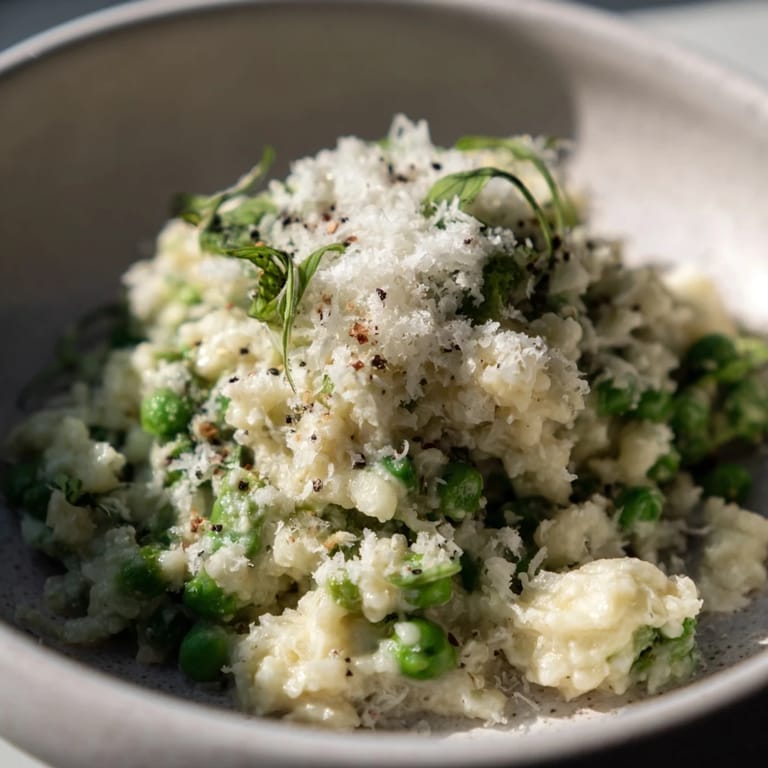
 This is the kind of recipe that feels like a small act of care, for yourself or for someone you love. It's warm, easy, and always tastes like home.
Recipe FAQs
- → Can I use fresh peas instead of frozen?
Yes, fresh peas can be used. Add them towards the end of cooking to avoid overcooking and maintain their bright flavor and texture.
- → What can I substitute for heavy cream?
Half-and-half or whole milk can be used for a lighter option, though the sauce will be less rich and creamy.
- → How do I know when the orzo is cooked perfectly?
Orzo should be tender but still slightly firm to the bite—al dente. Taste occasionally during simmering to check texture.
- → Can I prepare this dish ahead of time?
It is best served fresh, but leftovers can be gently reheated with a splash of milk to restore creaminess.
- → Are there alternative vegetables to green peas?
Yes, baby spinach, asparagus tips, or shelled edamame make excellent substitutes adding fresh flavors.