 Save to Pinterest
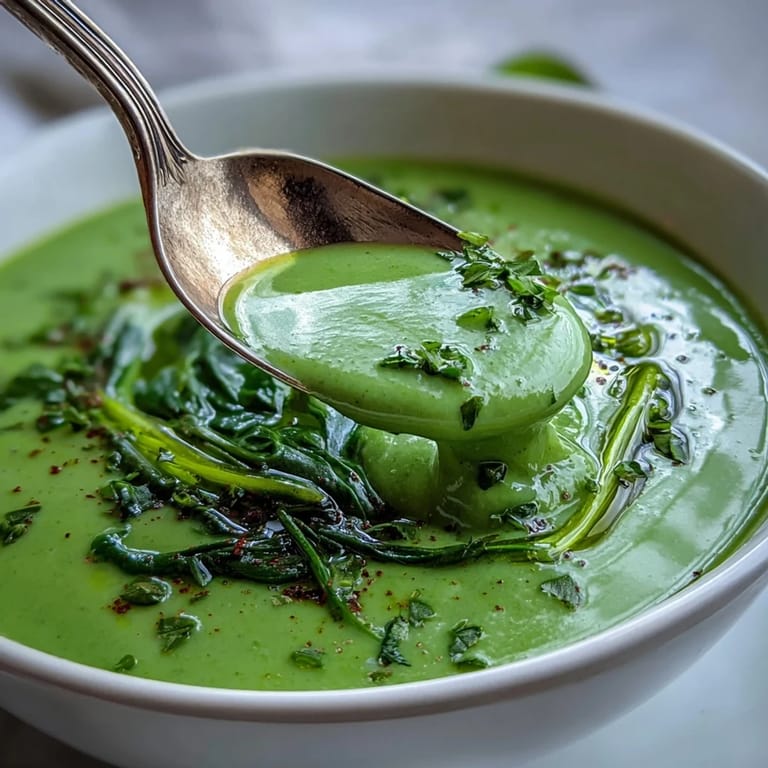
 I discovered this soup on a grey January afternoon when my kitchen felt too quiet and my immune system felt too fragile. A friend had texted about greens and cashews, and I found myself chopping broccoli with an unusual focus, watching the steam rise from a pot and thinking about how color in food actually means something. By the time I blended it, the kitchen smelled like spring had decided to visit early, and I knew this wasn't just another soup.
I made this for my partner when they were fighting off a cold, and watching them take the first spoonful felt oddly meaningful, like I'd captured all those antioxidants into something warm and comforting. They asked for seconds before finishing the first bowl, which told me everything about whether this recipe had staying power.
Ingredients
- Olive oil: One tablespoon is your foundation, enough to let the aromatics sing without making this heavy.
- Onion and garlic: Two cloves of garlic and one large onion build a flavor base that disappears into the soup but makes everything taste intentional.
- Broccoli: About 300 grams cut into florets releases the most wonderful earthiness when it softens.
- Asparagus: A bunch trimmed and chopped adds a subtle grassy note that feels sophisticated.
- Baby spinach: 150 grams wilts in moments and turns the entire soup that brilliant green.
- Zucchini: One medium one chopped brings mildness and body without overpowering the other vegetables.
- Raw cashews: 100 grams soaked in hot water for 20 minutes become the secret to creaminess, so don't skip this step.
- Vegetable broth: One liter of low-sodium broth lets the vegetables remain the star.
- Lemon juice: One tablespoon added at the end brightens everything and prevents the soup from tasting flat.
- Sea salt, black pepper, nutmeg, and thyme: The spices are restrained on purpose, just enough to whisper complexity.
Tired of Takeout? 🥡
Get 10 meals you can make faster than delivery arrives. Seriously.
One email. No spam. Unsubscribe anytime.
Instructions
- Start with warmth and fragrance:
- Heat olive oil in a large pot over medium heat, then add your chopped onion and minced garlic. Sauté for three to four minutes until the onion becomes translucent and the garlic stops smelling sharp, releasing that unmistakable savory perfume.
- Build the vegetable foundation:
- Add broccoli, asparagus, zucchini, salt, pepper, nutmeg, and thyme all at once. Stir to coat everything in the fragrant oil and cook for four to five minutes, letting the vegetables begin to soften at the edges.
- Introduce the liquid:
- Pour in your vegetable broth and bring everything to a gentle boil. Reduce the heat, cover the pot, and let it simmer for twelve to fifteen minutes until all the vegetables are completely tender when you pierce them with a fork.
- Add the final vegetables:
- Stir in the spinach and your drained soaked cashews, then simmer for just two more minutes until the spinach has completely wilted into the soup. The cashews will soften slightly from the residual heat.
- Blend into creaminess:
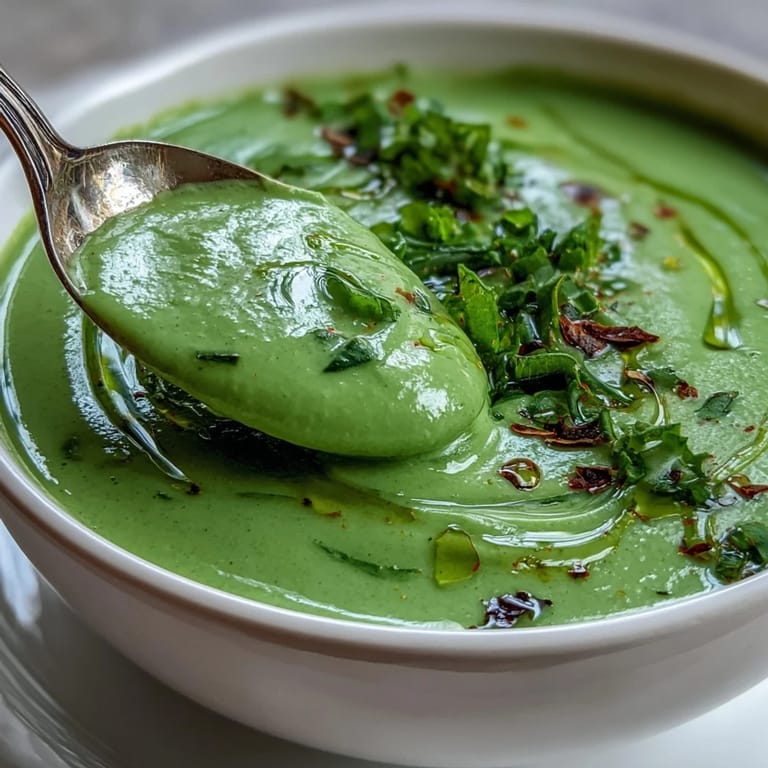
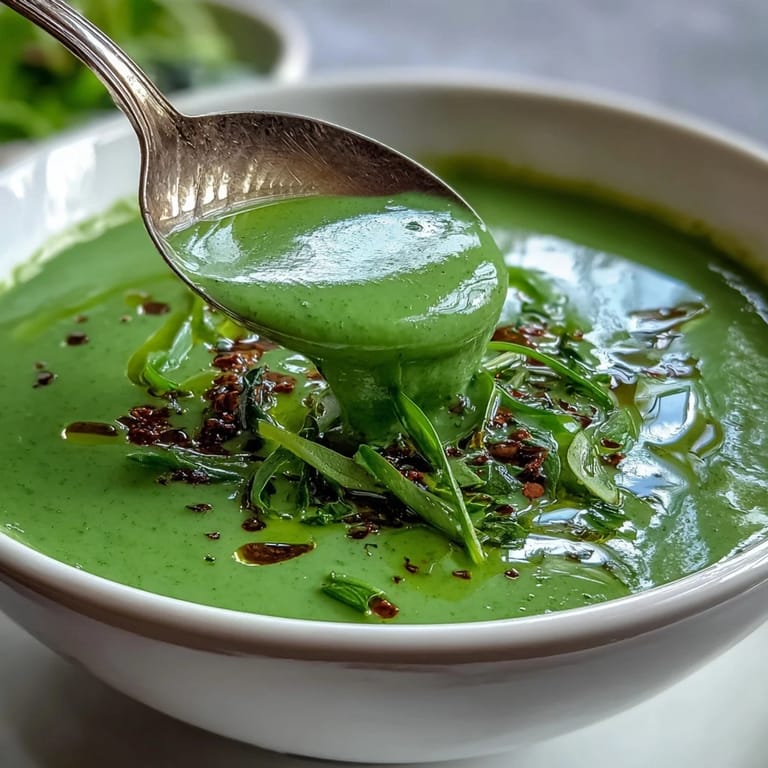
- Remove from heat and carefully transfer the soup in batches to a blender, or use an immersion blender directly in the pot. Blend until the soup is completely smooth and pours like silk.
- Finish and taste:
- Stir in your lemon juice and taste carefully, adjusting salt and pepper if needed. Some days you'll want more brightness, other days less, and that's the beauty of finishing a soup by hand.
 Save to Pinterest
 I've served this soup to people who claim they don't like vegetables, and watched them forget to perform their usual skepticism because they were too busy enjoying the taste. There's something about green soup that transforms the simple act of eating into something that feels nourishing on every level.
Why This Soup Works
The alchemy here is that cashews replace cream entirely, creating a richness that makes your mouth feel satisfied while your body gets vegetables instead of heavy dairy. The blending process turns separate vegetables into something cohesive, where broccoli and asparagus and spinach become one voice instead of five competing ones. This matters because many vegetable soups taste like an afterthought, but this one tastes like a decision.
Variations That Actually Work
I've tried swapping sunflower seeds for cashews when someone's nut-allergic, and while the texture shifts slightly less luxurious, the flavor remains bright and nourishing. Adding white beans before blending turns this from a light lunch into something substantial enough for dinner, though I always keep some batches pure for when I want the vegetables to speak clearly. Roasting the broccoli for five minutes before adding it brings a deeper flavor if you have the time, though the quick-cook method works beautifully when you don't.
Serving and Storage
This soup lives beautifully in the refrigerator for four days and freezes for up to three months, which means a single cooking session can feel like multiple meals. I've learned to leave a little extra broth when freezing so it reheats without becoming too thick, and to reheat gently on the stove rather than blasting it in the microwave. Serve it hot with a drizzle of good olive oil, a handful of fresh spinach leaves, or beside crusty bread if you want something more substantial.
- A squeeze of fresh lemon juice right before serving reminds all the flavors of their purpose.
- Leftover soup can be thinned with broth and turned into a sauce for grain bowls if you're feeling creative.
- Make a double batch on Sunday and you'll thank yourself all week long.
 Save to Pinterest
 This green immunity-boosting vegetable soup has become the meal I make when I want to feel like I'm taking care of myself and whoever I'm feeding it to. It's gentle enough for sick days and vibrant enough for celebration.
Recipe FAQs
- → How long does this soup keep in the refrigerator?
This green soup stores beautifully in an airtight container in the refrigerator for 4-5 days. The flavors actually develop and deepen over time, making it an excellent option for meal prep. Reheat gently on the stovetop, adding a splash of water or broth if needed to adjust consistency.
- → Can I freeze this soup?
Yes, this soup freezes exceptionally well for up to 3 months. Allow it to cool completely before transferring to freezer-safe containers, leaving some space for expansion. Thaw overnight in the refrigerator and reheat on the stovetop. The cashew cream base maintains its smooth texture after freezing.
- → What can I substitute for cashews?
Sunflower seeds make an excellent nut-free alternative, providing similar creaminess when soaked and blended. For a soy-based option, use silken tofu. Coconut milk adds richness but will impart a subtle coconut flavor. Regular dairy cream works if you don't require a vegan version.
- → Do I really need to soak the cashews?
Soaking cashews for 20 minutes in hot water softens them significantly, ensuring they blend into a completely smooth cream. Skipping this step may result in a slightly grainy texture. If you have a high-powered blender, you might get away with a shorter soak, but the extra effort is worth it for velvety results.
- → Can I use frozen vegetables instead of fresh?
Frozen spinach works perfectly in this soup, though fresh is ideal for broccoli and asparagus to maintain texture. If using frozen versions, add them during the simmering stage as they're already blanched and cook faster. The final result will still be delicious and immunity-boosting.
- → How can I make this soup more filling?
Stir in cooked white beans, lentils, quinoa, or small pasta shapes before blending for added protein and substance. Serving with crusty whole-grain bread also transforms this into a more substantial meal. A dollop of Greek yogurt or coconut cream on top adds extra richness and calories if desired.