 Save to Pinterest
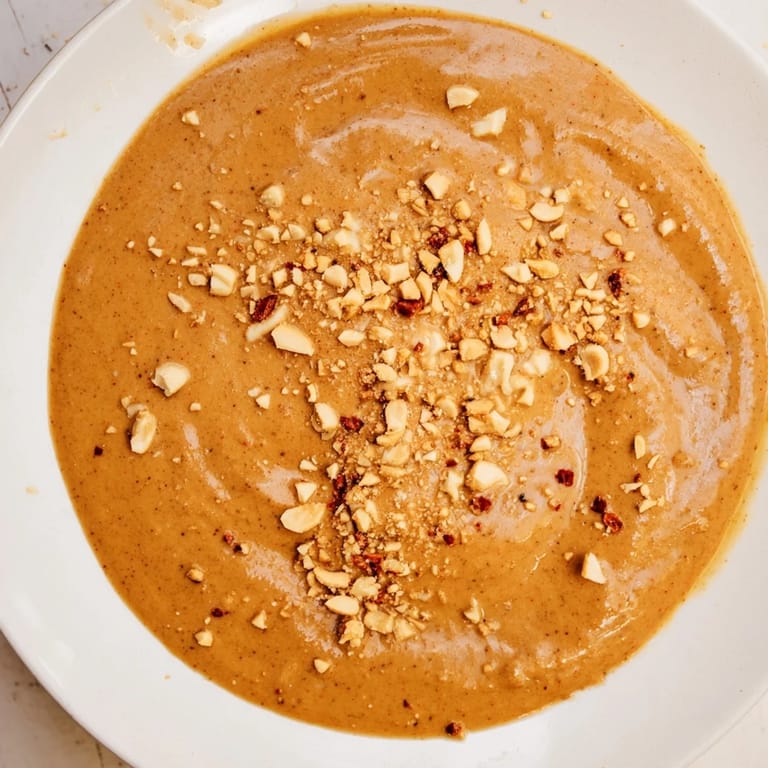
 The first time I made satay sauce, I was trying to recreate something I'd tasted at a small warung in Jakarta—that perfect balance of creamy, tangy, and just enough heat to make you pause mid-bite. I stood in my kitchen with a jar of peanut butter and a can of coconut milk, unsure if I could actually pull it off, but something about the simplicity of it drew me in. Twenty minutes later, the aroma alone told me I was onto something real.
I made this for friends who'd never had proper satay sauce before, and watching them dip a piece of grilled chicken, pause, and then immediately reach for more—that's when I realized this wasn't just a condiment. It became the thing people asked about when they left, the recipe they texted me for weeks later.
Ingredients
- Creamy peanut butter: Use unsweetened and unsalted if you can find it; it gives you control over the final flavor without hidden sweetness or salt that'll surprise you mid-bite.
- Coconut milk: Full-fat is non-negotiable here—the lighter versions won't give you that silky, luxurious body that makes this sauce crave-worthy.
- Soy sauce: This is your umami backbone, the thing that makes people ask what's in it.
- Fresh lime juice: Never use bottled; fresh lime brings a brightness that bottled simply can't match.
- Brown sugar or palm sugar: A touch of sweetness cuts through the richness and keeps everything in balance.
- Garlic: Minced fresh is the only way—jarred garlic will ghost you when you're not looking.
- Ground coriander and cumin: These warm spices are what make people close their eyes and ask where you learned to cook.
- Chili flakes: Start small; you can always add more heat, but you can't take it back.
- Fish sauce (optional): A teaspoon transforms this from good to restaurant-quality, but keep it optional for your vegetarian friends.
- Water: For thinning if your sauce gets too thick and stubborn.
Tired of Takeout? 🥡
Get 10 meals you can make faster than delivery arrives. Seriously.
One email. No spam. Unsubscribe anytime.
Instructions
- Bring the base together:
- In a small saucepan over medium heat, combine the peanut butter and coconut milk, whisking until smooth. This is where the magic starts—you're creating the creamy foundation that everything else will rest on.
- Build the flavor:
- Add soy sauce, lime juice, brown sugar, minced garlic, coriander, cumin, chili flakes, and salt, stirring well to blend everything evenly. Don't rush this step; let each ingredient find its place.
- Let it simmer and thicken:
- Bring to a gentle simmer, stirring frequently to prevent sticking, and cook for 3–5 minutes until the sauce becomes glossy and thickens slightly. You'll smell the spices waking up—that's when you know it's working.
- Taste and adjust:
- This is your moment to make it yours. Need more tang? Add lime juice. Want more sweetness? A pinch more sugar. Too hot? Back off the chili flakes. Cook to your palate, not the recipe.
- Reach the right consistency:
- If the sauce is too thick, whisk in water a tablespoon at a time until it flows the way you want it. Sometimes it thickens more as it cools, so don't overshoots it now.
- Finish and cool:
- Remove from heat and stir in fish sauce if you're using it. Let it cool for a few minutes before serving—it tastes better warm than straight-from-the-stove hot.
 Save to Pinterest
 There's something about watching people discover satay sauce for the first time that never gets old—that moment when they realize a simple dip can make everything taste better. For me, it stopped being just a recipe the night a friend brought it to a potluck and it disappeared before the main course even arrived.
The Secret to Silky, Restaurant-Quality Sauce
The difference between homemade satay sauce and restaurant versions isn't always technique—it's patience and the full-fat coconut milk. I learned this by accident when I once grabbed light coconut milk thinking it wouldn't matter. It did. The sauce split, the texture was thin, and I was back to square one. Full-fat coconut milk gives you that emulsion that won't betray you, that creamy mouthfeel that makes people lean in for another dip.
Why Spices Matter More Than You'd Think
Ground coriander and cumin seem like optional background players, but they're actually the storytellers here. They carry the warmth of Indonesia into your kitchen, the echo of markets and street food vendors. When you skip them, you get peanut sauce. When you include them, you get satay sauce—and people taste the difference even if they can't name what they're tasting.
Variations and Serving Ideas
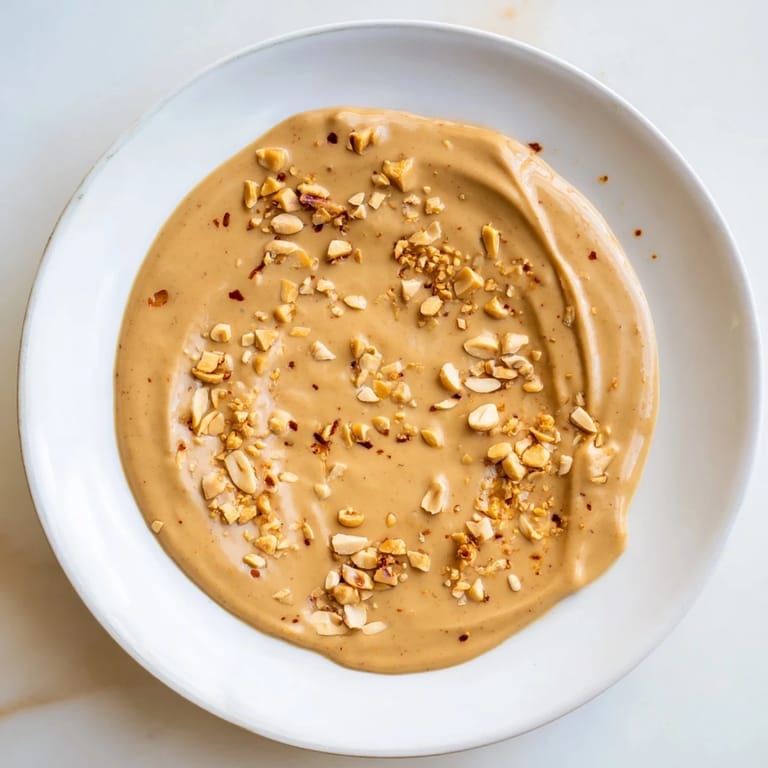
Once you've made this sauce, you'll find yourself reaching for it in moments you didn't expect. Drizzle it over roasted vegetables, use it as a salad dressing base, or swirl it into rice bowls. Some nights I add crushed roasted peanuts at the end for texture, or a touch of ginger if I'm feeling adventurous. The sauce is a canvas—you're just learning its language.
- For a chunky version, stir in 2 tablespoons of crushed roasted peanuts at the end of cooking.
- Make it gluten-free by using tamari or coconut aminos instead of regular soy sauce.
- Refrigerate for up to 5 days and rewarm gently on the stove or in the microwave, stirring in a splash of water if it's thickened too much.
 Save to Pinterest
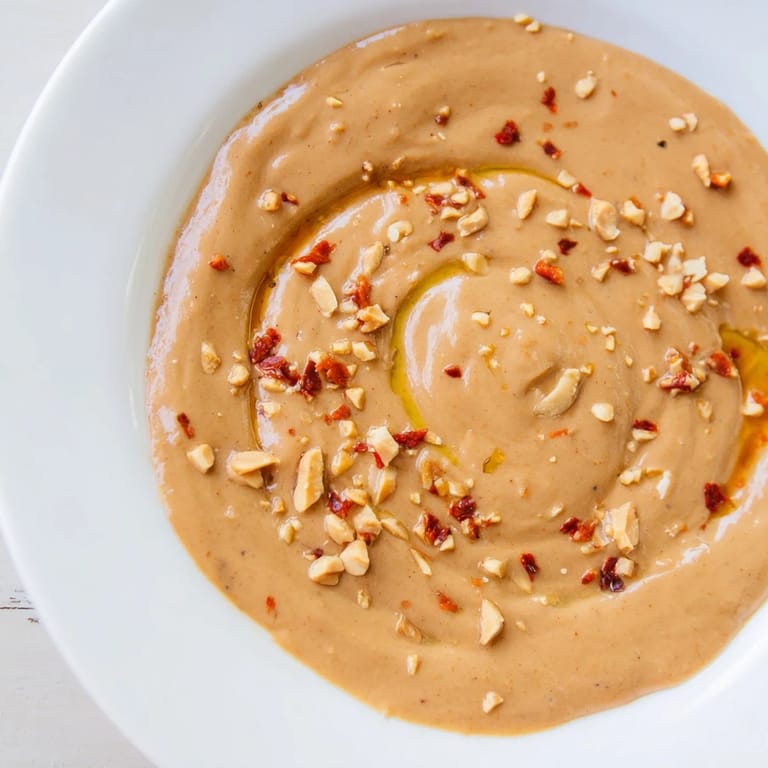
 This sauce has become my answer when someone asks what I'm making for dinner. It's reliable, it's delicious, and it never fails to make ordinary ingredients taste intentional and special.
Recipe FAQs
- → What ingredients create the base of this sauce?
Creamy peanut butter and full-fat coconut milk combine as the rich, smooth base.
- → How can I adjust the sauce's heat and sweetness?
Add more chili flakes for heat or increase brown sugar for a sweeter balance.
- → Can the sauce be made gluten-free?
Yes, substituting soy sauce with tamari or coconut aminos ensures a gluten-free version.
- → Is fish sauce necessary in this blend?
Fish sauce is optional, used only in non-vegetarian variations for added depth.
- → How should the sauce be stored and used later?
Keep refrigerated up to five days; rewarm gently before drizzling or dipping.
- → What tools are needed for preparation?
A small saucepan, whisk, measuring tools, and a knife with cutting board are required.