 Save to Pinterest
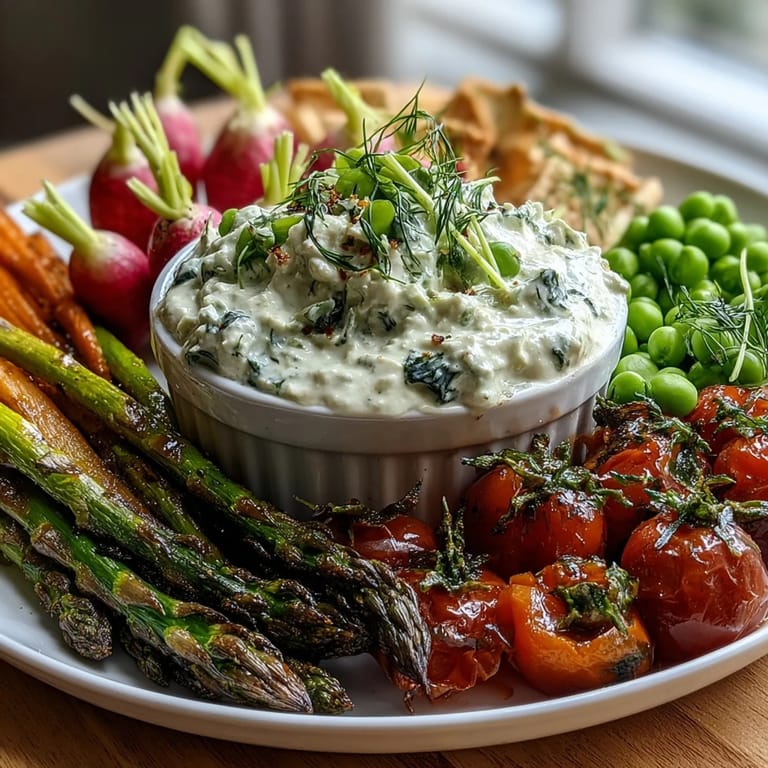
 Last spring, I was caught off guard by a dinner party invitation with only three hours to prepare, and somehow a colorful vegetable board became my salvation. There's something about arranging fresh radishes, snappy peas, and carrots on a large platter that feels both effortless and impressive, especially when you pair them with a dip that tastes like you've been planning all week. The beauty of this board is that it requires zero cooking, just good produce and a few herbs you probably already have hiding in your fridge. It's become my go-to move whenever I need something that looks abundant without the stress.
I made this for my sister's garden party one May afternoon, and what struck me most was how the kids devoured the snap peas like they were candy. She later told me it was the first time she'd seen her youngest actually excited about eating vegetables, and honestly, that small victory has stayed with me. There's real magic in presenting food this way, where everything looks appealing and nothing feels heavy or demanding.
Ingredients
- Breakfast radishes: These thin-skinned varieties have a delicate peppery bite and stay crisp for hours if you trim them right before serving.
- Sugar snap peas: The sweetness here is non-negotiable—taste one before you buy them to make sure they're actually good.
- Fresh or frozen peas: If using fresh, a quick blanch keeps them bright green and tender rather than starchy.
- Baby carrots: Look for ones that are actually small and tender, not the precut bagged kind that taste like nothing.
- Cherry tomatoes: Halve them just before assembling so they don't weep all over your board.
- Cucumber slices: English cucumbers have fewer seeds and stay crisper than regular ones, a detail that genuinely matters.
- Greek yogurt: The tanginess here is your secret weapon—it makes the dip taste sophisticated without any fussing.
- Mayonnaise: This adds richness and helps emulsify everything into something creamy and smooth.
- Fresh lemon juice: Never skip this; it brightens everything and keeps the dip from tasting heavy or dull.
- Fresh chives, parsley, and dill: These three together create a flavor that feels restaurant-quality and intentional.
- Garlic clove: Just one, minced fine—too much and you'll overpower the delicate herbs.
- Sea salt and black pepper: Season as you taste; the dip should make you close your eyes for a second.
Tired of Takeout? 🥡
Get 10 meals you can make faster than delivery arrives. Seriously.
One email. No spam. Unsubscribe anytime.
Instructions
- Wash and prepare your vegetables:
- Start with cold water and work through each item—trim the radish stems, snap off the tough ends of the snap peas, peel the carrots just enough to remove any loose skin. As you finish each vegetable, arrange it on your board and step back occasionally to see how the colors are coming together.
- Blanch your peas if they're fresh:
- Drop them into boiling salted water for just two minutes, then plunge them into ice water to stop the cooking—this keeps them vibrant green and tender without that chalky cooked feel.
- Make the herb dip:
- Combine your Greek yogurt and mayonnaise in a bowl, then add the lemon juice and watch how the mixture lightens and loosens slightly. Fold in all your herbs and the minced garlic, tasting as you go and adjusting salt and pepper until it tastes clean and alive.
- Arrange everything on your board:
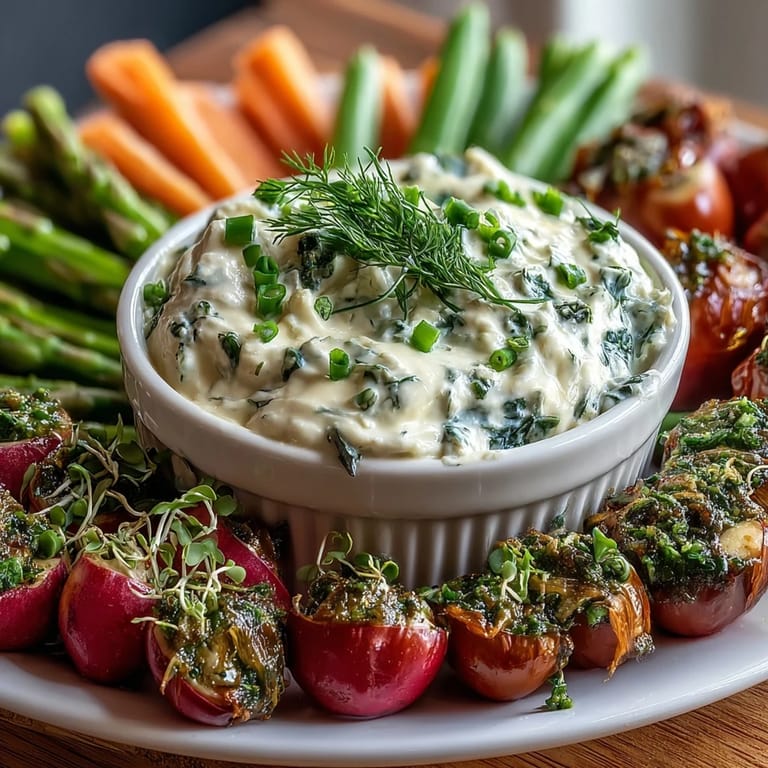
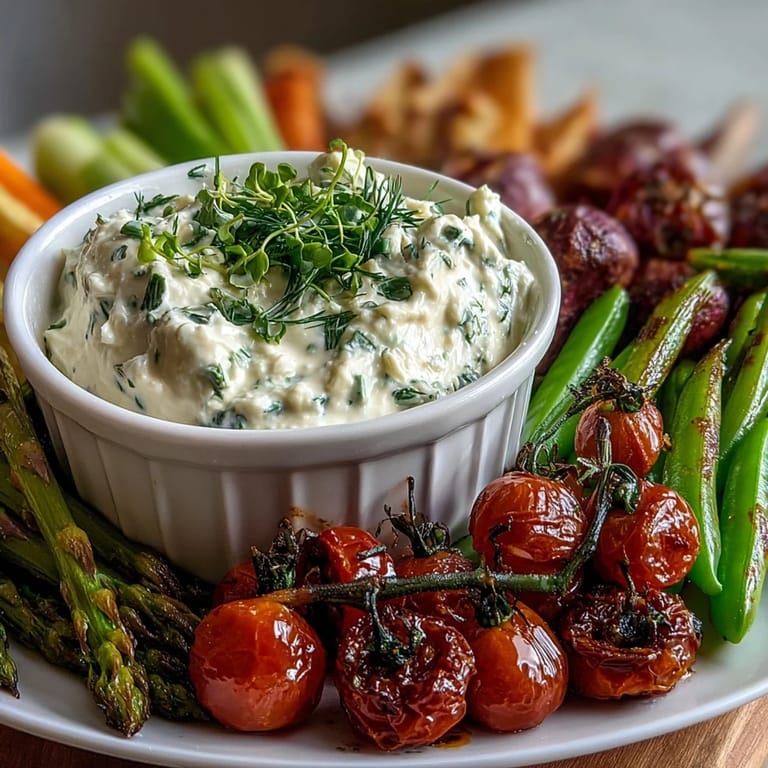
- Place the small bowl of dip in the center or slightly off-center, then arrange your vegetables around it in loose clusters rather than rigid lines—it looks more inviting that way. Leave a few small gaps so the board doesn't feel overcrowded, and garnish with microgreens or feta if you're using them.
- Serve right away:
- Vegetable boards are best within the first hour or so when everything is at peak crispness and the dip is still cool.
 Save to Pinterest
 What I didn't expect when I first made this board was how it became a conversation piece, how people would linger and graze and actually talk to each other instead of disappearing into their phones. There's something about food arranged this way that invites you to slow down and taste things deliberately, and that shift in the room has never not been worth the minimal effort.
The Board Itself Matters More Than You'd Think
I've used a wooden cutting board, a slate tile, a ceramic platter, even a large white plate when I was desperate, and each one changes how the board reads. A wooden board feels warm and rustic, while white ceramics make the vegetables look even more vibrant by contrast. The size matters too—you want enough space that things feel abundant rather than crowded, with room for people's hands to move around and find what they want.
Building Flavor Layers in the Dip
The dip is where you can make this feel effortlessly elegant, and the trick is understanding that yogurt alone tastes thin and sour, mayo alone tastes heavy, but together with acid and fresh herbs they become something that tastes like it took real thought. I learned this by accident when I forgot to add lemon juice to a batch and it tasted bland no matter how much salt I added. Now I always taste the base of yogurt and mayo first, add my lemon juice, then layer in the herbs one at a time so I can feel how each one shifts the flavor profile.
Seasonal Vegetables and Optional Touches
Spring vegetables are the obvious choice here, but the board works with whatever looks good at the market that day. In early summer I've added blanched green beans and tender asparagus tips, and in late spring I've swapped in thinly sliced radish varieties that were unusual and beautiful. The microgreens and feta are optional garnishes that add texture and visual interest without being necessary, but they do give the board a finished, polished look that makes people think you've put in more effort than you actually have.
- Make the dip up to two days ahead and let the flavors deepen in the refrigerator.
- Prepare your vegetables a few hours early and store them separately in the fridge, then arrange just before guests arrive.
- Keep everything cold by nestling the dip bowl into a bed of ice hidden under the vegetables if you're serving outside on a warm day.
 Save to Pinterest
 This board has become my answer to the question of what to bring, what to make, and how to feed people without feeling like you're performing. It's generous without being complicated, impressive without requiring skill, and genuinely delicious in the way that fresh things simply are.
Recipe FAQs
- → What vegetables are included on the spring board?
The board features radishes, sugar snap peas, shelled peas, baby carrots, cherry tomatoes, and cucumber slices.
- → How is the herb dip prepared?
The dip combines Greek yogurt, mayonnaise, lemon juice, fresh chives, parsley, dill, garlic, salt, and pepper, mixed until smooth.
- → Can this board accommodate dietary needs?
Yes, it’s naturally vegetarian and gluten-free; substitute plant-based yogurt for a vegan option.
- → Are there suggestions for additional garnishes?
Optional garnishes include microgreens, crumbled feta cheese, and assorted crackers or baguette slices.
- → How long can the dip be stored before serving?
The herb dip can be prepared ahead and refrigerated for up to two days.