 Save to Pinterest
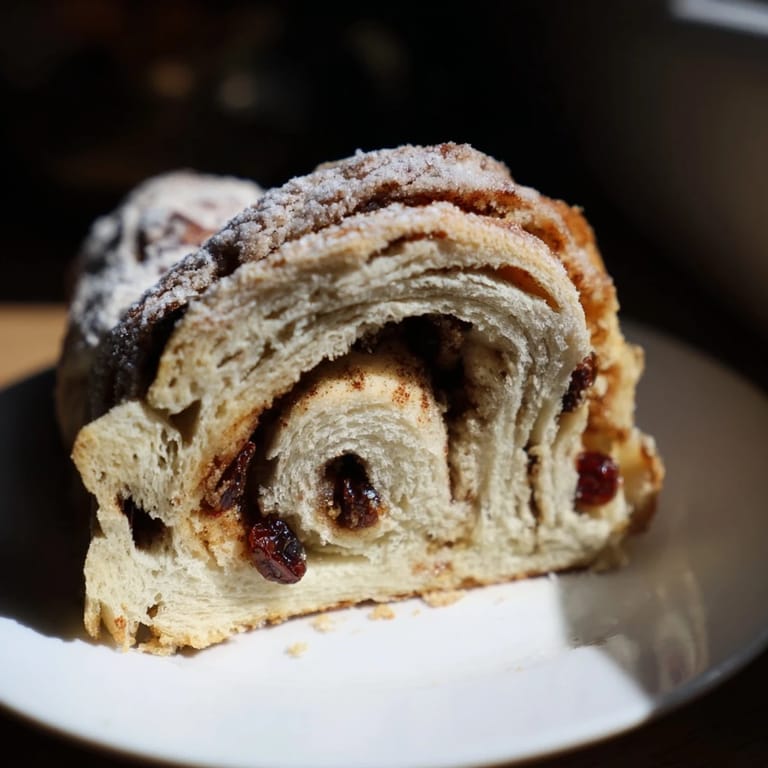
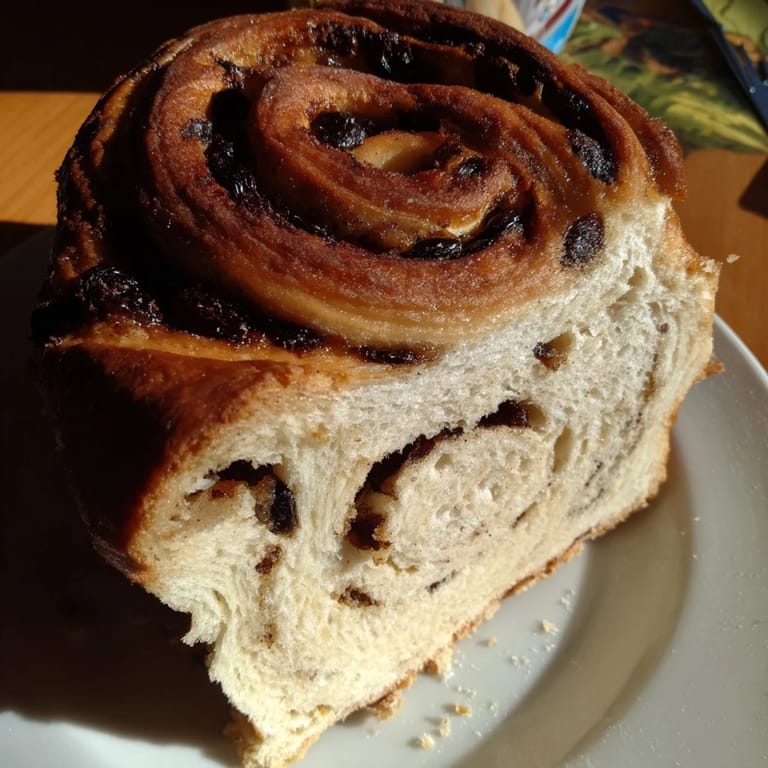
 The smell hit me before I even opened the oven—warm cinnamon, sweet butter, and that unmistakable yeasty comfort of fresh bread. I'd been intimidated by yeasted doughs for years, but one rainy Sunday I decided to stop overthinking it. This loaf came out golden and swirled, and I sliced into it while it was still too warm, butter melting into every pocket. I've made it dozens of times since, and it never gets old.
I brought this to a brunch once, still warm in a tea towel, and watched it disappear in minutes. Someone asked if I'd bought it from a fancy bakery, and I just smiled. There's something quietly satisfying about pulling off a recipe that looks complicated but really just asks for a little patience and a warm spot in your kitchen.
Ingredients
- Bread flour: The extra protein gives this loaf structure and chew—I tried all-purpose once and it worked, but the texture wasnt quite as satisfying.
- Active dry yeast: Make sure your milk is warm but not hot, or youll kill the yeast and wonder why nothing rose.
- Whole milk: The fat makes the crumb tender and rich, and I always warm it gently on the stove instead of the microwave for better control.
- Raisins: I toss them in while kneading and theyve never torn the dough—if yours are dry, soak them in warm water for ten minutes first.
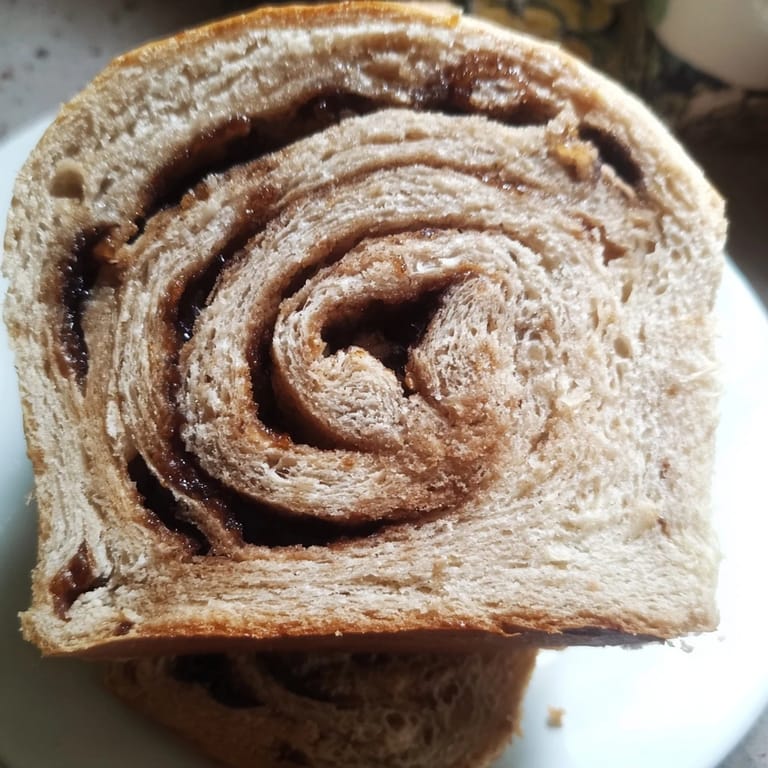
- Light brown sugar and cinnamon: This is the heart of the swirl, and I pack the brown sugar tight so it melts into sweet, spiced ribbons.
- Unsalted butter: Softened, not melted—it spreads easier and keeps the swirl from sliding around when you roll.
Tired of Takeout? 🥡
Get 10 meals you can make faster than delivery arrives. Seriously.
One email. No spam. Unsubscribe anytime.
Instructions
- Wake the yeast:
- Pour the warm milk over the yeast and let it sit until it bubbles and smells alive. If nothing happens after five minutes, your milk was too hot or your yeast was expired—start over.
- Build the dough:
- Mix in the sugar, egg, and butter, then add the flour and salt. Knead until the dough is smooth, elastic, and just a little tacky—it should pull away from the bowl but still cling lightly to your fingers.
- Fold in the raisins:
- Add them at the end and knead just until theyre scattered throughout. Overworking now will tear the dough.
- Let it rise:
- Cover the bowl with a damp towel and set it somewhere warm. I use the top of my fridge in winter and a sunny counter in summer—it should double in size and feel pillowy when you poke it.
- Roll and fill:
- Punch the dough down gently, then roll it into a rectangle on a floured surface. Spread the softened butter, sprinkle the cinnamon sugar, and leave a little border so it doesnt ooze out when you roll.
- Shape the loaf:
- Roll tightly from the short end, pinch the seam, and tuck the ends under. Place it seam-side down in your greased pan and cover again—this second rise is what makes it light and airy.
- Bake until golden:
- The loaf is done when its deep golden brown and sounds hollow when you tap the bottom. I brush it with melted butter right out of the oven for a soft, shiny crust.
 Save to Pinterest
 The first time I made this, I sliced it too early and the whole thing compressed into a sticky mess. I ate it anyway, standing at the counter, and it was still delicious. Now I wait, barely, and the slices come out clean and beautiful, each one showing off that cinnamon ribbon like a little victory.
How to Know Your Dough Has Risen Enough
Press two fingers gently into the dough—if the indent stays and doesnt spring back, its ready. If it bounces back quickly, give it more time. I used to guess and wonder why my loaves were dense, but this trick changed everything.
Storage and Freezing
Wrap the cooled loaf tightly in plastic wrap or keep it in an airtight container at room temperature for up to three days. It dries out faster than store-bought because theres no preservatives, but toasting brings it right back to life. I slice and freeze half sometimes, pulling out pieces to toast straight from the freezer on busy mornings.
Ways to Make It Your Own
Ive stirred in chopped walnuts with the raisins for crunch, swapped golden raisins for regular, and even tried dried cranberries once around the holidays. A simple glaze made from powdered sugar and a splash of milk drizzled over the top turns it into something you could bring to a potluck and watch disappear.
- Try orange zest in the dough for a subtle brightness that plays beautifully with the cinnamon.
- Brush the raw loaf with an egg wash before baking for an even deeper golden color.
- Serve thick slices toasted with cream cheese or just butter and a sprinkle of flaky salt.
 Save to Pinterest
 This loaf has become my go-to when I want my home to feel cozy or when I need to bring something that says I care without saying much at all. I hope it does the same for you.
Recipe FAQs
- → How do I ensure a soft, tender texture?
Use warm milk and softened butter to help activate the yeast and keep the dough moist. Knead until smooth and elastic for the best crumb.
- → Can I use golden raisins instead of regular ones?
Yes, golden raisins add a slightly different sweetness and color but work perfectly in this loaf.
- → What is the best way to create the cinnamon swirl?
Spread softened butter evenly, then sprinkle the cinnamon sugar before rolling the dough tightly into a log shape.
- → How can I store the loaf to keep it fresh?
Store the cooled loaf in an airtight container for up to three days or freeze it for longer storage.
- → Is there a way to add extra flavor or texture?
Chopped walnuts or a simple glaze made of powdered sugar and milk can add extra richness and flavor.