 Save to Pinterest
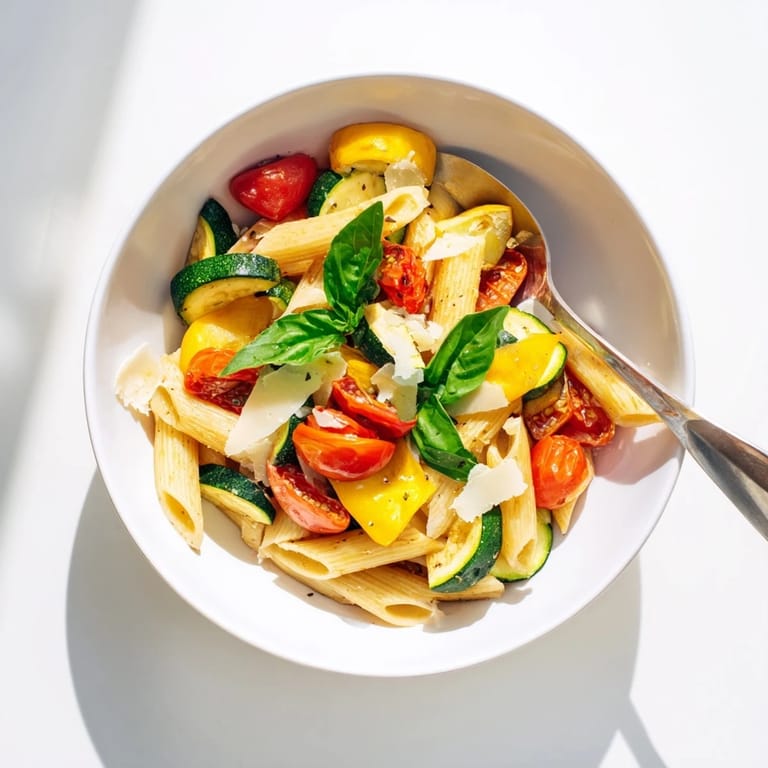
 I was standing in my kitchen on a July evening, staring at a pile of zucchini and squash that had multiplied overnight in my garden. My neighbor had also dropped off a basket of tomatoes that morning, still warm from the sun. Instead of panicking about the abundance, I pulled out a pot and decided to let the vegetables speak for themselves. What emerged was this pasta, a dish so simple it felt like cheating, yet so bright and alive it became my answer to every summer craving. It's the kind of meal that reminds you that good food doesn't need to be complicated.
The first time I made this for friends, I almost apologized for how simple it was. But then I watched them go quiet as they ate, twirling pasta around their forks with that focused look people get when food is exactly right. One of them asked for the recipe, and I realized I didn't really have one, just a method born from too many vegetables and not enough time. That night taught me that restraint is its own kind of skill. Sometimes the best thing you can do is get out of the way and let fresh ingredients do what they do best.
Ingredients
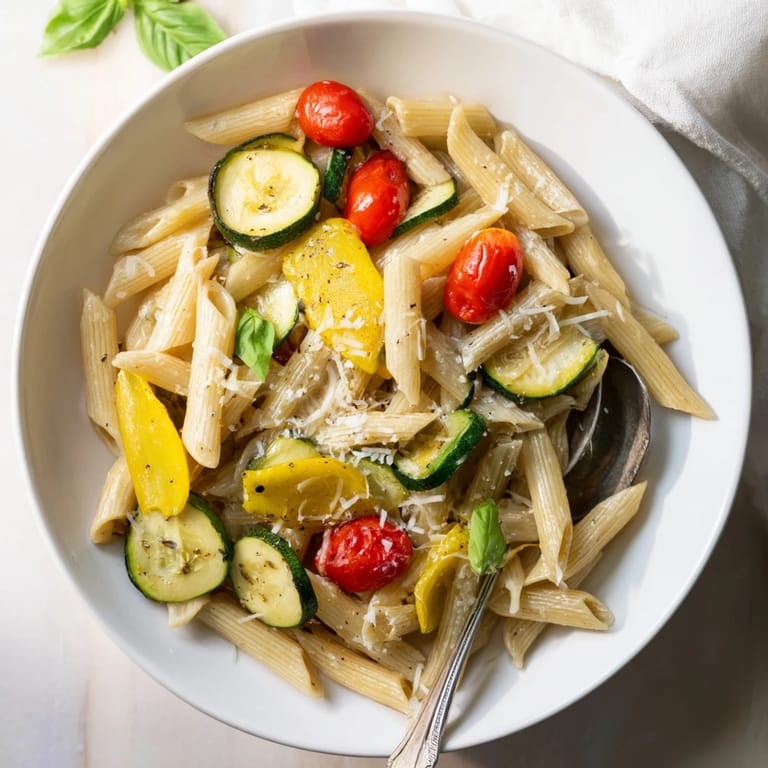
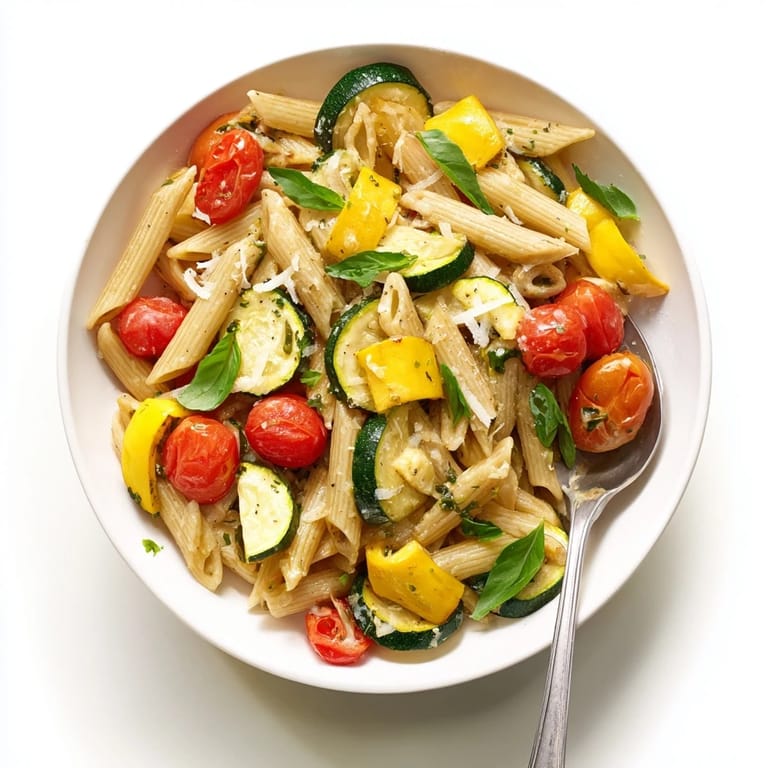
- Penne or fusilli pasta: Short pasta with ridges or curves catches the olive oil and bits of tomato beautifully, creating little pockets of flavor in every bite.
- Zucchini and yellow squash: Slicing them into half moons gives you tender, sweet pieces that don't turn to mush, and using both adds visual interest without extra effort.
- Cherry or grape tomatoes: Halved tomatoes burst and release their juices into a natural sauce, especially if they're ripe and sweet from the vine.
- Extra virgin olive oil: This is not the place for cheap oil; good olive oil becomes the backbone of the dish, coating everything with richness.
- Garlic: Minced and sautéed just until fragrant, it perfumes the oil without overpowering the delicate vegetables.
- Kosher salt and black pepper: Season boldly, especially the pasta water, because bland pasta will drag down even the brightest vegetables.
- Fresh basil leaves: Torn or sliced at the last moment, basil adds a peppery sweetness that makes the whole dish come alive.
- Red pepper flakes: Optional but wonderful, a pinch adds a gentle warmth that plays well with the tomatoes.
- Parmesan cheese: Grated over the top, it adds a nutty, salty finish, though the dish stands on its own if you skip it.
- Lemon zest: A little brightness at the end wakes everything up, like opening a window on a warm day.
Tired of Takeout? 🥡
Get 10 meals you can make faster than delivery arrives. Seriously.
One email. No spam. Unsubscribe anytime.
Instructions
- Boil the pasta:
- Bring a large pot of salted water to a rolling boil and cook the pasta until it still has a slight bite, then save half a cup of that starchy water before draining. That cloudy pasta water is liquid gold for bringing the sauce together later.
- Start the vegetables:
- Heat olive oil in a large skillet over medium heat, add the minced garlic, and let it sizzle for about a minute until your kitchen smells like an Italian grandmother's house. Don't let it brown or it'll turn bitter.
- Cook the squash:
- Toss in the zucchini and yellow squash, stirring occasionally, and let them soften and pick up a little color for about five minutes. They should be tender but not collapsing.
- Add the tomatoes:
- Tumble in the halved tomatoes along with salt, pepper, and red pepper flakes if you're using them, then cook until the tomatoes start to break down and their juices pool in the pan. This takes three to four minutes and smells like summer itself.
- Toss with pasta:
- Lower the heat, add the drained pasta to the skillet, and toss everything together, adding splashes of reserved pasta water until the vegetables cling to the noodles in a glossy, light sauce. You want it silky, not soupy.
- Finish and serve:
- Stir in the fresh basil and Parmesan if using, taste for seasoning, then divide into bowls and garnish with more basil and a little lemon zest. Serve immediately while it's still steaming.
 Save to Pinterest
 I remember sitting on my back porch with a bowl of this pasta, barefoot and tired from weeding, and realizing I'd made something that tasted better than any restaurant version I'd tried. It wasn't fancy, but it was honest. My daughter wandered out, took a bite from my bowl without asking, and said it tasted like our garden. That's when I knew this recipe wasn't just about feeding people, it was about capturing a moment, a season, a feeling of abundance that's easy to forget when life gets complicated.
Choosing Your Vegetables
While zucchini, yellow squash, and tomatoes are the stars here, this dish is forgiving and adaptable to whatever your garden or market offers. I've stirred in handfuls of baby spinach at the end, added thin slices of bell pepper for sweetness, and even tossed in some fresh green beans when they were at their peak. The key is to keep the vegetables light and summery, nothing too heavy or starchy that would weigh down the pasta. If you're using heartier vegetables like bell peppers, add them early with the squash so they have time to soften.
Making It Your Own
This recipe is a template more than a strict set of rules, and I've learned to trust my instincts with it. Sometimes I add a handful of toasted pine nuts for crunch, or a splash of white wine to the vegetables before adding the tomatoes for a little acidity. If I have leftover grilled chicken or shrimp, I'll toss that in for a heartier meal. On cooler evenings, I've even stirred in a spoonful of ricotta at the end, which melts into a creamy cloud. The dish welcomes improvisation as long as you keep the spirit of it light and bright.
Storing and Reheating
Leftovers keep well in the fridge for up to three days, though the pasta will absorb some of the moisture and the basil will darken a bit. I reheat it gently in a skillet with a splash of water or broth to loosen it up, and sometimes I'll tear fresh basil over the top to perk it back up. It's also surprisingly good cold, straight from the fridge, as a kind of pasta salad when you're too hungry to wait. If you know you'll have leftovers, consider undercooking the pasta just slightly so it doesn't turn mushy when reheated.
- Store in an airtight container and add a drizzle of olive oil before sealing to keep it from drying out.
- Refresh leftovers with a squeeze of lemon juice and a handful of fresh herbs to bring back the brightness.
- If freezing, leave out the basil and cheese, then add them fresh after reheating for the best flavor.
 Save to Pinterest
 This pasta has become my love letter to summer, a way to honor the hard work of growing food and the simple pleasure of eating it while it's still warm from the sun. I hope it finds a place in your kitchen, too, and becomes the dish you make when the tomatoes are perfect and life feels generous.
Recipe FAQs
- → Can I prepare this ahead of time?
This dish is best served immediately after cooking to maintain the fresh taste and al dente pasta texture. However, you can prep all ingredients in advance and store them separately. Cook and combine just before serving for optimal flavor and texture.
- → What pasta shapes work best?
Penne and fusilli are ideal choices as they trap the light vegetable sauce well. You can also use farfalle, rigatoni, or linguine. Any medium-sized pasta works nicely with the sliced vegetables.
- → How do I make this vegan?
Simply omit the Parmesan cheese or substitute with a plant-based alternative. All other ingredients are naturally vegan-friendly, making this an excellent option for vegan diets without any modifications to the cooking method.
- → What vegetables can I substitute or add?
Bell peppers, spinach, mushrooms, eggplant, or fresh peas all work wonderfully. Add heartier vegetables like broccoli earlier in cooking, and tender greens like spinach toward the end to prevent overcooking.
- → Why reserve pasta water?
Starchy pasta water helps emulsify the sauce and creates a silky coating on the noodles. It brings the components together beautifully and prevents the dish from becoming dry. Use it gradually to achieve your desired sauce consistency.
- → Is this gluten-free?
Standard pasta contains gluten. To make this dish gluten-free, use certified gluten-free pasta and ensure all other ingredients, including any store-bought items, are labeled gluten-free. The cooking method remains exactly the same.