 Save to Pinterest
 My college roommate showed me this trick during finals week when neither of us could spare ten minutes at the stove. She tossed pasta and water into a bowl, slid it into the microwave, and went back to her textbook. I thought she was out of her mind until I tasted it. The pasta came out tender, evenly cooked, and honestly better than half the pots I'd boiled over on our ancient electric range.
I started making this every Sunday night when I lived alone and couldn't justify turning on the stove for just myself. I'd sit at my tiny kitchen table with the bowl still warm in my hands, stirring in whatever I had in the fridge. It became this quiet ritual that felt less lonely than I expected, just me and a bowl of pasta and a podcast playing in the background.
Ingredients
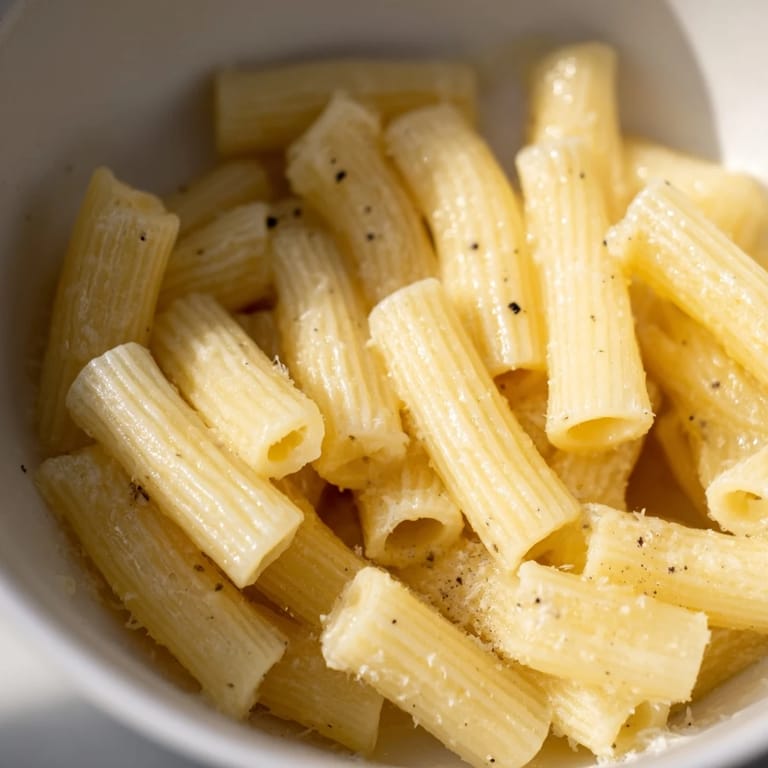
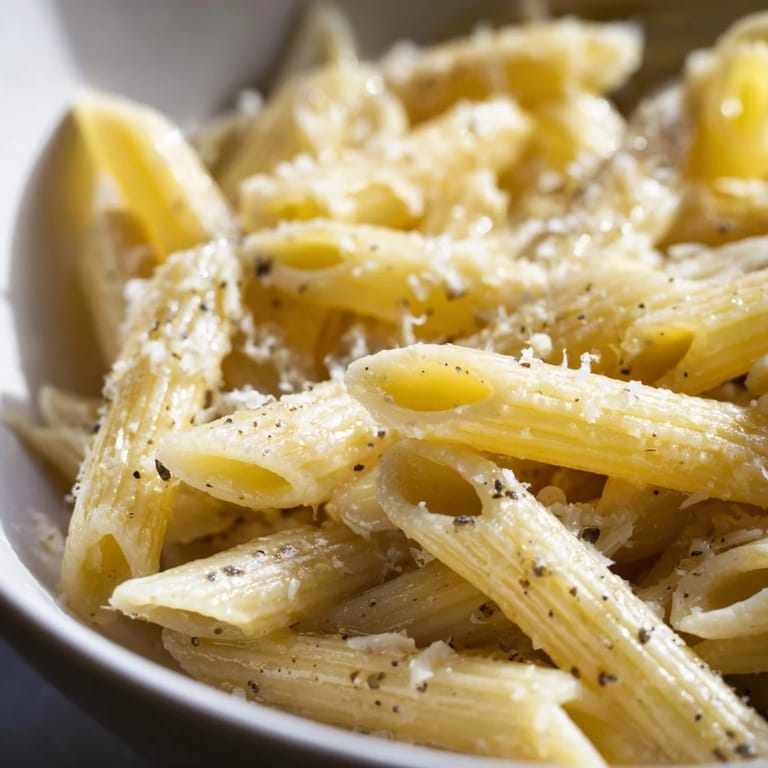
- Dried pasta (85 g): Penne, fusilli, and elbow macaroni hold up best because their shapes trap water evenly and cook through without getting mushy on the edges.
- Water (375 ml): This exact ratio keeps the pasta submerged without overflowing, and most of it gets absorbed so you rarely need to drain.
- Salt (¼ tsp): Seasons the pasta as it cooks, just like you would salt boiling water on the stove.
- Olive oil or butter (1 tsp): Stirred in at the end to keep the pasta from clumping and add a little richness that makes it feel less plain.
- Parmesan cheese (2 tbsp): Melts into the hot pasta and creates a creamy coating without any extra steps or cream.
- Black pepper: Freshly ground makes a difference here because the simplicity of the dish lets every flavor come through clearly.
- Marinara or pesto (2 tbsp): Optional but transformative, turning plain pasta into something that feels like an actual meal.
Tired of Takeout? 🥡
Get 10 meals you can make faster than delivery arrives. Seriously.
One email. No spam. Unsubscribe anytime.
Instructions
- Set up your bowl:
- Choose a microwave-safe bowl large enough that the pasta only fills about half of it. This extra space is your insurance against the water bubbling over and making a mess you'll have to wipe up later.
- Combine pasta, water, and salt:
- Pour the dried pasta into the bowl, add the water and salt, and give it a quick stir so nothing sticks to the bottom. The salt dissolves fast and seasons everything evenly from the start.
- First microwave burst:
- Microwave uncovered on high for 4 minutes. You'll hear the water start to bubble and see steam rising, which is exactly what you want.
- Stir and continue cooking:
- Pull the bowl out carefully (it's hot), stir the pasta to redistribute it, then microwave in 2-minute intervals, stirring after each one. Total time is usually 8 to 10 minutes depending on your microwave and the pasta shape you chose.
- Check for doneness:
- The pasta should be al dente with just a slight bite, and most of the water should be absorbed into the noodles. If there's a little pool left, either drain it or let the pasta sit for a minute to soak it up.
- Finish and serve:
- Stir in your olive oil or butter, Parmesan, black pepper, and any sauce you're using while the pasta is still steaming hot. Everything melts together and coats each piece evenly.
 Save to Pinterest
 The first time I made this for someone else was when my friend came over feeling miserable with a cold. I handed her the bowl with butter and Parmesan melted in, and she looked at me like I'd performed a magic trick. She kept asking how I cooked pasta without a pot, and I realized this little method I'd been using for months was something other people actually needed to know about too.
Choosing the Right Pasta Shape
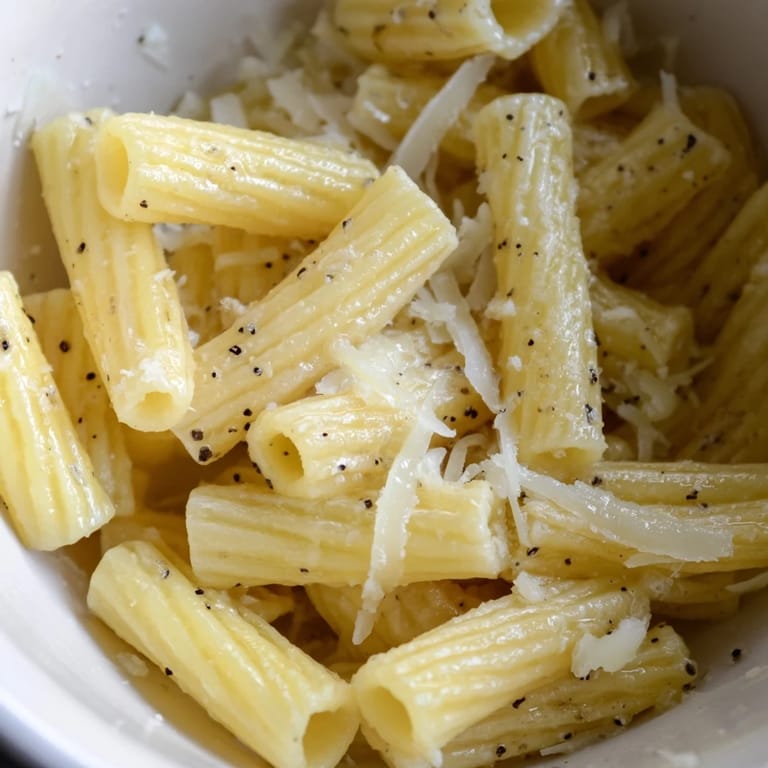
Short, sturdy shapes work best because they stay submerged and cook evenly without clumping. Penne, fusilli, rotini, and elbow macaroni are my go-to choices because they're all about the same density and cook in similar times. Long pasta like spaghetti or linguine doesn't fit well in a bowl and tends to stick together in a tangled mess before the water even heats up.
Making It a Full Meal
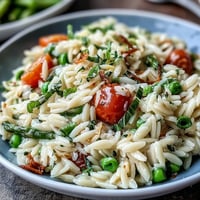
Once you've got the base method down, you can toss in almost anything to make it more filling. I've stirred in handfuls of baby spinach right when the pasta finishes so it wilts in the residual heat, or spooned in leftover rotisserie chicken and a splash of cream. Frozen peas, cherry tomatoes, canned tuna, crumbled feta, a spoonful of pesto, even a beaten egg stirred in fast for a makeshift carbonara. The beauty of this method is that it's a blank canvas that takes whatever you have on hand.
Troubleshooting and Adjustments
If your pasta comes out too firm, add another tablespoon of water and microwave for one more minute. If it's too soft, cut back the cooking time by a minute or two next round and taste earlier. Gluten-free pasta tends to absorb water faster and can get mushy if you're not careful, so start checking at the 6-minute mark instead of 8.
- If the water boils over, your bowl is too small or too full, so switch to a bigger one next time.
- If the pasta sticks together in clumps, stir more often during cooking and add a tiny bit more water.
- If it tastes bland, you probably forgot the salt or didn't add enough Parmesan and pepper at the end.
 Save to Pinterest
 This bowl of pasta has gotten me through late work nights, lazy Sundays, and days when cooking felt like too much effort but I still wanted something warm and comforting. It's proof that you don't need a full kitchen or fancy equipment to make something satisfying from scratch.
Recipe FAQs
- → Can I use any type of pasta for this method?
Most dried pasta shapes work well, including penne, fusilli, elbow macaroni, and spaghetti. Smaller shapes cook more evenly, while longer pastas may need breaking in half for easier stirring and even cooking.
- → What happens if water boils over?
Never fill the bowl more than half full of dried pasta to prevent overflow during cooking. Always use a large microwave-safe bowl with plenty of headspace to allow water to simmer without spilling.
- → How do I know when the pasta is done?
Check for al dente texture by tasting a strand. The pasta should be tender but still have a slight firmness when bitten. Most pasta reaches this point between 8-10 minutes total, depending on thickness and microwave wattage.
- → Can I add vegetables or protein to this?
Yes, you can add pre-cooked vegetables, cooked chicken, shrimp, or beans after cooking the pasta to create a more substantial meal. Fresh herbs, garlic, or spices can also enhance the flavor profile.
- → Does this work with gluten-free pasta?
Gluten-free pasta can be prepared using the same method, though cooking times may vary slightly. Start checking for doneness around 8 minutes, as some gluten-free varieties cook faster or slower than traditional wheat pasta.
- → Should I drain excess water after cooking?
If there's significant liquid remaining after the pasta is cooked, carefully drain it using a microwave-safe strainer or by tilting the bowl. Most of the water should be absorbed during cooking when done correctly.