 Save to Pinterest
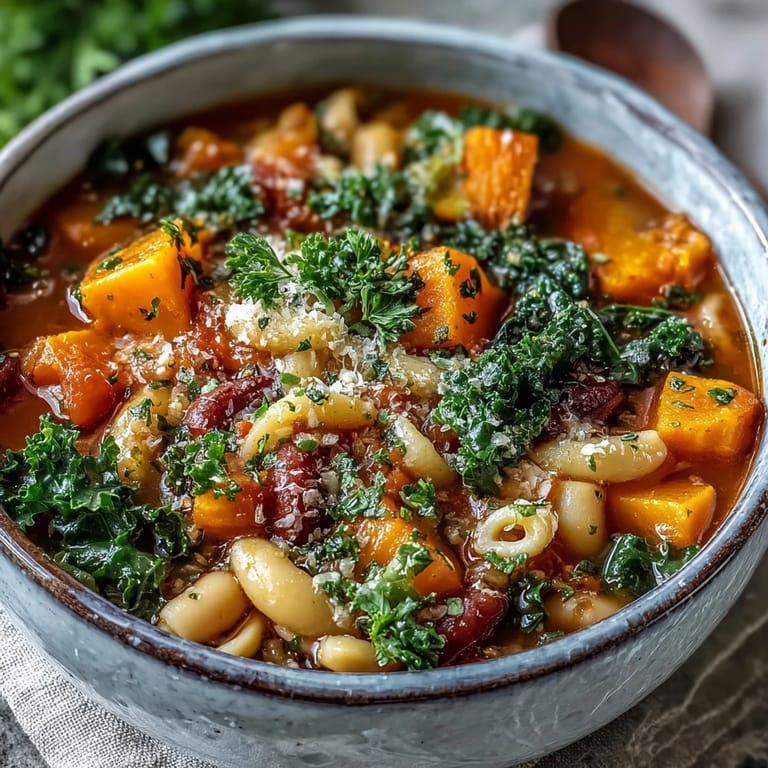
 The first snowfall of the season always triggers my winter minestrone craving. Last November, as flurries dusted our windows, I found myself instinctively reaching for butternut squash and kale at the farmers market. The vendor smiled knowingly as I gathered ingredients, commenting that soup season had officially begun. Back in my kitchen, the aroma of sautéing vegetables transformed our home into a cozy haven against the chill outside.
I first made this minestrone during a power outage three winters ago. Our gas stove became our saving grace as neighbors gathered in our candlelit kitchen, bowls cradled in cold hands. Someone brought crusty bread, another a bottle of Chianti. What began as a practical solution to use perishables during an emergency transformed into an impromptu dinner party filled with laughter and second helpings.
Ingredients
- Butternut Squash: The natural sweetness balances the acidity of the tomatoes beautifully, and I've found that dicing it into half-inch cubes gives the perfect texture.
- Kale: Strip those stems completely or they'll never soften properly, a mistake I made the first three times I prepared this soup.
- Cannellini Beans: These velvety Italian white beans hold their shape while adding wonderful creaminess, but rinse them thoroughly to remove that tinny flavor from the can.
- Small Pasta: I prefer ditalini because those tiny tubes capture broth in every bite, though any small pasta works wonderfully.
- Dried Herbs: The combination of oregano, thyme and rosemary creates that quintessential Italian flavor profile without overwhelming the vegetables.
Tired of Takeout? 🥡
Get 10 meals you can make faster than delivery arrives. Seriously.
One email. No spam. Unsubscribe anytime.
Instructions
- Start with the soffritto:
- Heat olive oil in a large pot and add your diced onion, carrots, and celery, allowing them to sweat gently for 5-6 minutes until they soften and release their aromatics.
- Build the flavor base:
- Stir in those minced garlic cloves just until their fragrance blooms, about one minute, before the garlic has any chance to brown and turn bitter.
- Add the star vegetables:
- Tumble in your diced butternut squash and zucchini, stirring occasionally as they cook for 4-5 minutes until they begin to soften slightly around the edges.
- Create the broth foundation:
- Pour in the diced tomatoes with their juices, vegetable broth, and water, then bring everything to a gentle boil as the kitchen fills with steam.
- Season and simmer:
- Sprinkle in the dried herbs and red pepper flakes if using, then reduce heat and let the soup simmer uncovered for 15 minutes, allowing the flavors to meld together.
- Add hearty elements:
- Stir in the cannellini beans and pasta, then continue simmering for another 8-10 minutes until both the pasta and butternut squash yield easily to your spoon.
- Incorporate the greens:
- Add the chopped kale and watch it transform from stiff leaves to silky green ribbons as it wilts into the hot soup over 2-3 minutes.
- Final touches:
- Season thoughtfully with salt and pepper, then finish with fresh parsley for a bright counterpoint to the rich, savory base.
- Serve with love:
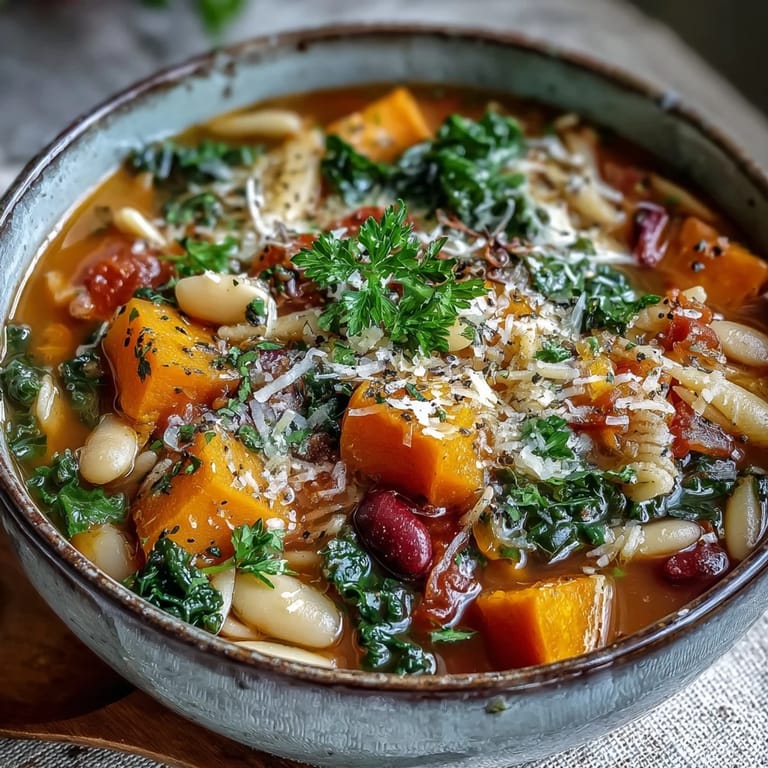
- Ladle the steaming minestrone into wide bowls and invite everyone to shower their portion with freshly grated Parmesan if desired.
 Save to Pinterest
 My teenage daughter, who typically regards vegetables with suspicious side-eyes, actually requested this minestrone for her birthday dinner last year. She stood beside me chopping vegetables, telling me about school while the kitchen windows fogged up from the simmering pot. That moment of connection over a humble soup reminded me why I cook in the first place - not just for nourishment, but for the quiet bonds formed while creating something together.
Making It Your Own
This minestrone welcomes adaptation based on what you have available. Last week when my butternut squash turned out to be moldy inside, I substituted sweet potato with surprisingly delicious results. The soup actually turned more golden and developed an earthier sweetness that paired beautifully with the herbs. Sometimes kitchen disappointments lead to unexpected discoveries that become new traditions in their own right.
Storing and Freezing
Minestrone improves with age like a fine wine or a good friendship. The flavors continue developing as it rests in the refrigerator, making this an ideal make-ahead meal that tastes even better on days two and three. I often double the recipe specifically to freeze individual portions in those deli containers that accumulate mysteriously in my cabinet, creating instant homemade meals for hectic weeknights when cooking from scratch feels impossible.
Serving Suggestions
The steaming bowl of minestrone deserves proper accompaniments to make it a complete meal experience. My Italian neighbor Angelo taught me that good olive oil should never be cooked away entirely, but rather drizzled on just before serving to preserve its grassy, peppery notes that dissipate with heat.
- Serve with crusty sourdough bread for dipping into those last precious spoonfuls at the bottom of the bowl.
- A simple side salad of bitter greens like arugula with lemon and olive oil provides refreshing contrast to the soup's richness.
- Keep extra grated Parmesan in a small bowl at the table for guests to add more to their liking as they eat.
 Save to Pinterest
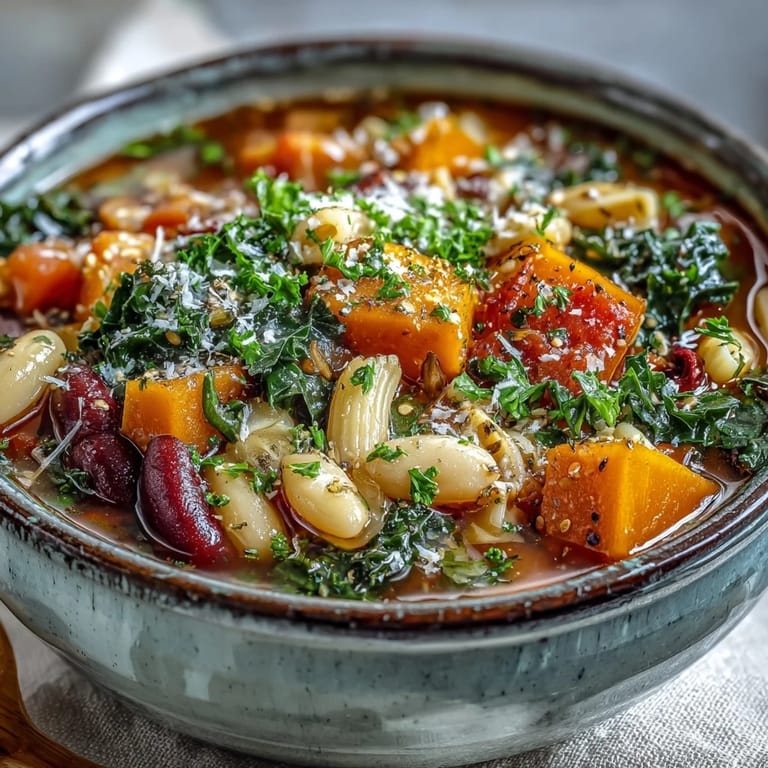
 This winter minestrone has become my kitchen's version of a warm hug on a cold day. May it bring the same comfort to your table, filling your home with aromatic promises of nourishment and connection.
Recipe FAQs
- → Can I make this soup in advance?
Absolutely. This soup actually tastes better the next day as flavors have time to meld together. Store in an airtight container in the refrigerator for up to 4 days. Add a splash of water or broth when reheating, as the pasta will absorb liquid.
- → What pasta works best for minestrone?
Small pasta shapes like ditalini, elbow macaroni, shells, or small tubes work perfectly because they spoon up easily with the vegetables. If planning to freeze portions, cook pasta separately and add when reheating to prevent it from becoming mushy.
- → Can I use fresh herbs instead of dried?
Yes, use roughly three times the amount of fresh herbs compared to dried. Add fresh delicate herbs like parsley and basil at the end, while sturdier herbs like rosemary and thyme can go in during simmering.
- → How do I make this vegan?
Simply omit the Parmesan cheese or use a plant-based alternative. The soup remains rich and satisfying thanks to the creamy cannellini beans, sweet butternut squash, and olive oil base.
- → Can I freeze this soup?
Yes, freeze for up to 3 months. For best results, slightly undercook the pasta or cook it separately, as pasta can become soft when frozen and reheated. Leave out Parmesan until serving time.
- → What other vegetables can I add?
This versatile soup welcomes seasonal vegetables. Try adding green beans, bell peppers, spinach, or diced potatoes in place of or alongside the butternut squash and zucchini. Use what you have on hand.